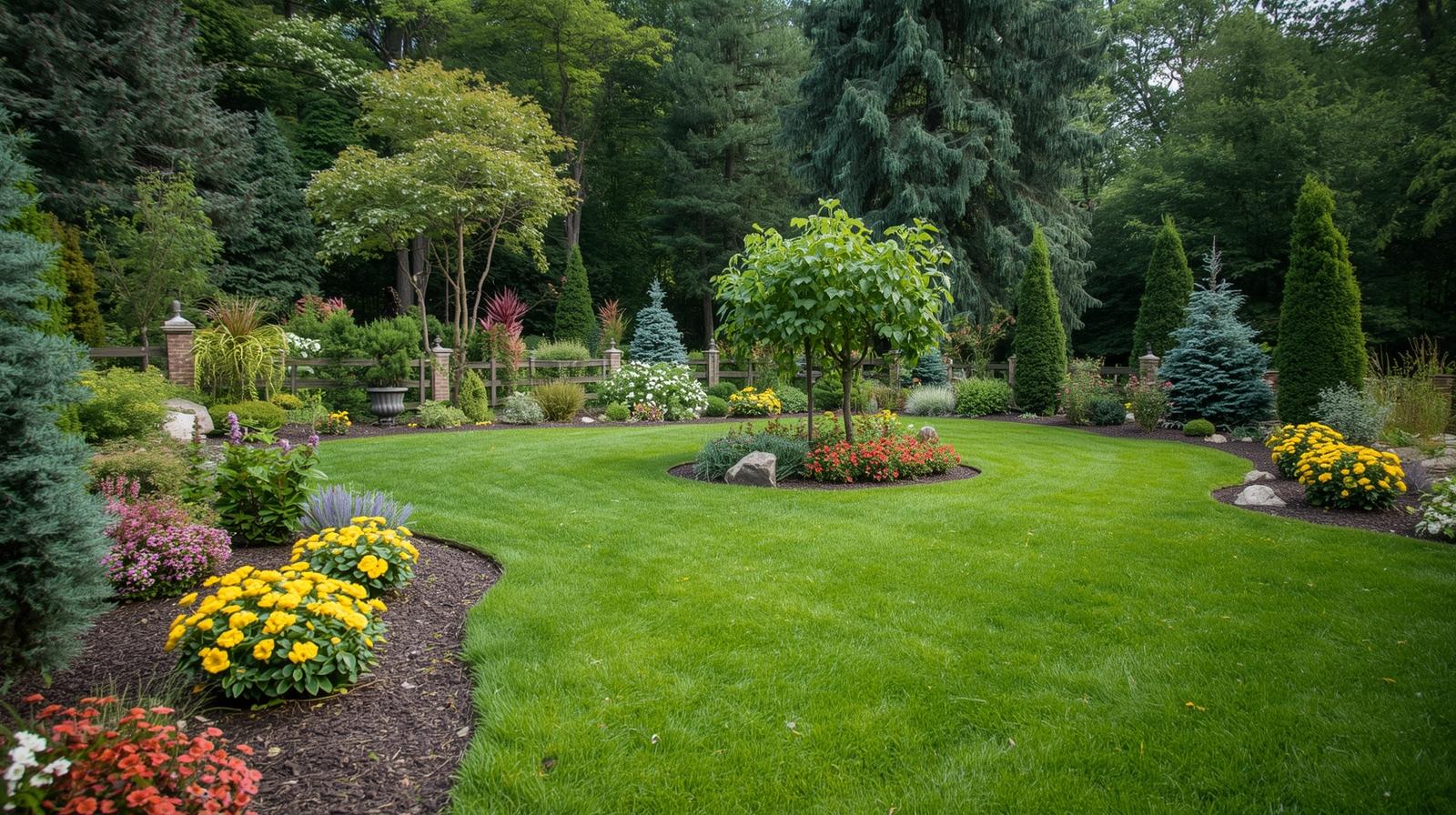
Pruning
Professional tree and shrub pruning to promote health, safety, and beauty. Expert techniques for all seasons and plant types.
The Art and Science of Proper Pruning
Pruning is far more than just cutting back branches—it’s a horticultural practice that requires knowledge of plant biology, growth patterns, and proper techniques. At Vita Green LLC, our trained specialists understand how plants respond to pruning and use this knowledge to enhance health, safety, and appearance.
Why Professional Pruning Matters
Proper pruning provides numerous benefits: removes dead, diseased, or damaged branches that harbor pests and disease; improves air circulation and light penetration, reducing disease risk; directs growth for better structure and form; maintains safe clearances from buildings, power lines, and walkways; and enhances flowering and fruiting by stimulating productive wood. Improper pruning, however, causes lasting harm—topping trees, leaving stubs, making flush cuts, or pruning at the wrong time can severely damage or kill plants.
The Risks of Improper Pruning
Poor pruning techniques create problems that take years to correct:
- Topping: Cutting branches to stubs destroys tree structure and creates weak, hazardous growth
- Flush cuts: Cutting too close to the trunk removes protective branch collars, inviting decay
- Stub cuts: Leaving stubs beyond the branch collar prevents proper healing
- Wrong timing: Pruning at incorrect seasons stresses plants and promotes disease
- Over-pruning: Removing too much foliage starves plants and triggers stress responses
DIY pruning often results in misshapen plants, disease entry points, and safety hazards. Professional pruning follows ANSI A300 standards to ensure proper technique.
Our Pruning Services
Ornamental Shrub Pruning
We prune flowering and evergreen shrubs to maintain natural form while controlling size. Techniques vary by plant type—some shrubs flower on new wood, others on old wood, requiring different approaches and timing. We also rejuvenate overgrown shrubs through selective thinning or gradual renewal pruning.
Tree Pruning & Trimming
For small to medium trees, we provide structural pruning, crown thinning (selective branch removal to reduce density), crown raising (removing lower branches for clearance), and deadwood removal. We never top trees—this outdated practice ruins structure and creates hazards.
Fruit Tree Pruning
Fruit trees require specialized pruning to maximize production while maintaining manageable size. We prune for open centers or central leaders (depending on species), train young trees for strong structure, and remove water sprouts, suckers, and crossing branches.
Hedge Maintenance
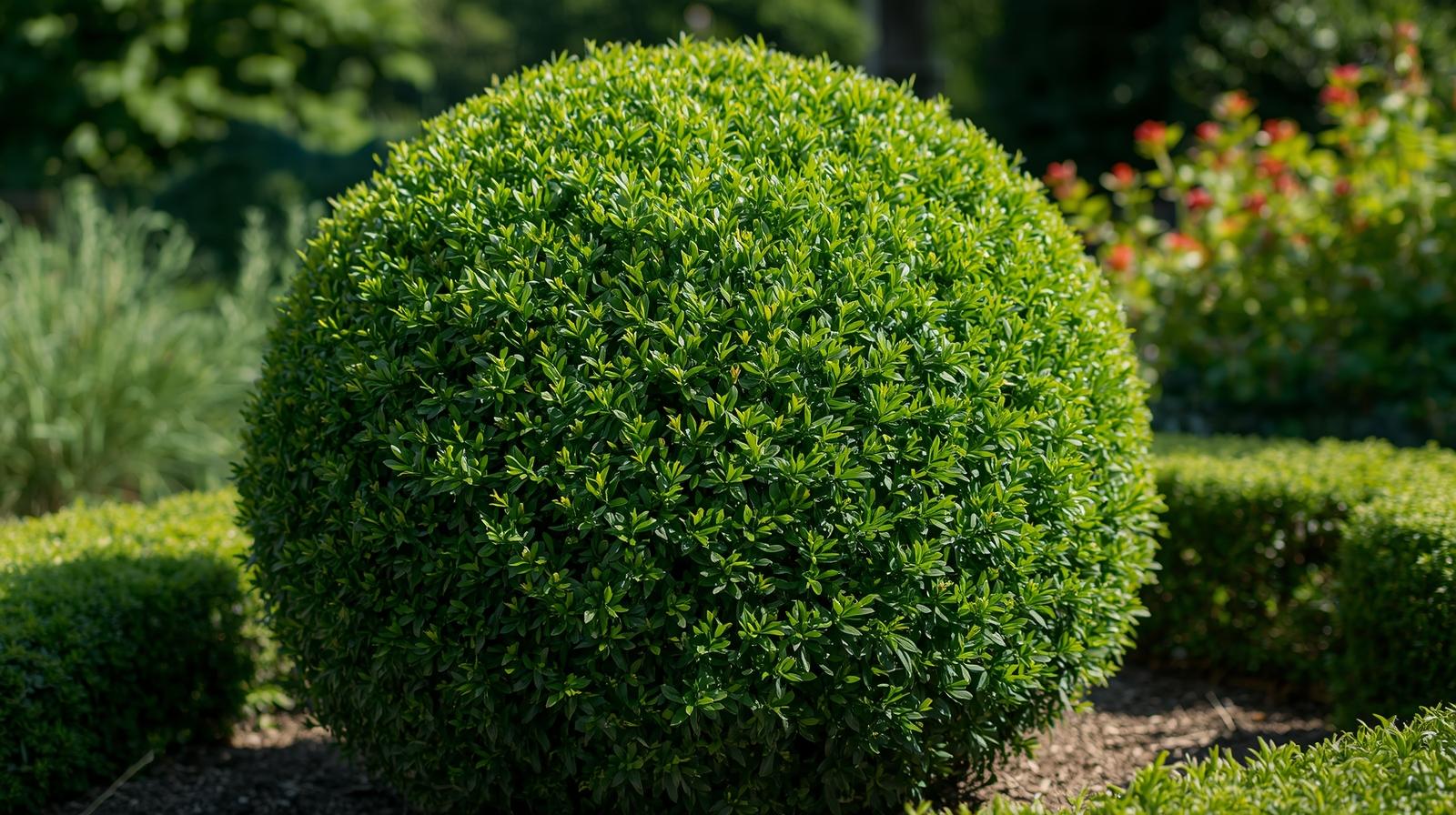
We maintain formal hedges with precise shearing and informal hedges with selective pruning. Proper hedge pruning creates density while maintaining the narrower top and wider base needed for even light distribution.
Seasonal Pruning
Different plants require pruning at specific times:
- Late winter/early spring: Most trees and summer-flowering shrubs
- After flowering: Spring-flowering shrubs (to preserve next year’s blooms)
- Summer: Light pruning to control growth and remove problem branches
- Fall: Generally avoided (except deadwood removal) to prevent stimulating new growth before winter
Safety Pruning
We remove hazardous dead branches, correct weak branch attachments, clear branches from structures and power lines, and improve sightlines at intersections and driveways.
What to Expect
- Property Walk-Through: We evaluate which plants need pruning and discuss your goals
- Pruning Plan: We explain what will be pruned, why, and what results to expect
- Professional Execution: Our trained staff use proper techniques and sharp, sanitized tools
- Clean-Up: We remove all debris and leave your property tidy
- Follow-Up Recommendations: We advise on timing for future pruning and any concerns we’ve observed
Frequently Asked Questions
When is the best time to prune trees? For most deciduous trees, late winter (February-March) is ideal—before spring growth but after the coldest weather. Trees are dormant, wounds seal quickly when growth resumes, and structure is visible without leaves. However, timing varies by species and purpose.
Can I prune trees and shrubs myself? Small pruning tasks are fine for homeowners with proper tools and knowledge. However, pruning large branches, working near power lines, using ladders or climbing, or pruning valuable specimens should be left to professionals. Mistakes can permanently damage plants or cause injury.
How much of a plant can be safely removed at once? Generally, remove no more than 25-30% of a plant’s canopy in a single year. Removing more can severely stress the plant. Overgrown shrubs may require gradual renewal over 2-3 years rather than drastic one-time cutting.
What is the difference between topping and proper crown reduction? Topping indiscriminately cuts branches to stubs, destroying the tree’s natural form and creating hazardous weak growth. Proper crown reduction selectively removes branches back to lateral branches at least one-third the diameter of the cut branch, maintaining structure and health. Topping should never be done.
Will pruning make my tree grow faster? Pruning stimulates growth but doesn’t increase overall growth rate—it redirects energy. Thinning spreads growth across remaining branches. Heading cuts (shortening branches) trigger dense growth near cuts. Proper pruning balances growth with health and form.
Should I apply pruning paint or wound dressing? No. Research shows wound dressings don’t prevent decay or speed healing. In fact, they can trap moisture and promote disease. Proper cuts heal naturally—the tree’s own defenses seal wounds more effectively than any coating.
What tools do you use? We use professional-grade tools including bypass hand pruners, loppers, and pruning saws. All tools are sharp (clean cuts heal better than torn ones) and sanitized between plants (especially when disease is present) to prevent spreading pathogens.
How often should trees and shrubs be pruned? This varies by plant type and purpose. Many ornamental trees need pruning every 3-5 years, while fast-growing shrubs may need annual attention. Fruit trees benefit from annual pruning. We’ll recommend appropriate frequencies based on your specific plants.
Can you prune trees near power lines? We prune small branches near service lines to homes, but pruning near high-voltage transmission lines requires specialized training and equipment. We’ll assess the situation and coordinate with the power company when necessary.
Will pruning help my flowering shrub bloom better? Proper pruning at the right time can improve flowering by removing old, unproductive wood and stimulating new growth. However, pruning spring-flowering shrubs at the wrong time (fall or early spring) removes flower buds, preventing bloom that year.
Why Choose Vita Green?
With over 30 years of experience serving central Washington, we bring professional expertise and personalized service to every project. Our certified experts understand local conditions and use proven techniques to ensure outstanding results.
30+ Years Experience
Trusted by thousands of customers
Local Experts
Deep knowledge of Central Washington
Quality Guaranteed
Professional results every time
What Our Customers Say
Trusted by homeowners and businesses throughout central Washington
Find Your Service Area
Professional landscaping and lawn care services throughout Central Washington and surrounding communities.
POPULAR SERVICE AREAS
VIEW ALL SERVICE AREAS →Frequently Asked Questions
What is Art and Science of Proper Pruning?
Pruning is far more than just cutting back branches—it’s a horticultural practice that requires knowledge of plant biology, growth patterns, and proper techniques.
What is Ornamental Shrub Pruning?
We prune flowering and evergreen shrubs to maintain natural form while controlling size.
What is Tree Pruning & Trimming?
For small to medium trees, we provide structural pruning, crown thinning (selective branch removal to reduce density), crown raising (removing lower branches for clearance), and deadwood removal.
What is Fruit Tree Pruning?
Fruit trees require specialized pruning to maximize production while maintaining manageable size.
Ready to Get Started?
Contact us today for a free consultation and custom quote for your pruning needs.