The Right Time to Prune Trees and Shrubs in Central Washington
Pruning at the wrong time can weaken a tree, cut off next year’s flowers, or invite disease. Getting the timing right is one of the most important parts of pruning. In Wenatchee and the rest of central Washington, late winter and early spring, when plants are still dormant but the worst cold is past, is the best window for most trees and many shrubs. For shrubs that bloom in spring, you often want to wait until right after they flower so you do not remove the buds. Here is a simple way to think about when to prune what, and why it matters for your yard.
At Vita Green, we have been pruning trees and shrubs for homeowners in Wenatchee, East Wenatchee, Leavenworth, Chelan, and surrounding areas for over thirty years. We follow the same timing rules so plants recover quickly and look their best.
Why Timing Matters
Plants use stored energy to heal cuts and grow new tissue. When you prune at the right time, they have that energy available and can close wounds and put on new growth without as much stress. When you prune at the wrong time, you can:
- Remove flower buds and lose a season of blooms.
- Trigger a flush of weak growth right before summer heat or winter cold.
- Leave open wounds when insects or disease are most active.
So the goal is to prune when the plant is best able to recover and when you are not sacrificing flowers or fruit you care about.
When to Prune Most Shade and Ornamental Trees
For most nonflowering shade trees (maples, oaks, ash, and similar), the best time in central Washington is late winter into early spring, roughly February through early April, while the tree is still dormant. At that time:
- You can see the branch structure clearly without leaves in the way.
- The tree is not putting energy into leaves or flowers, so it can focus on sealing cuts.
- Sap is not running as heavily as it will be later in spring.
- New growth will follow soon and help close wounds.
Avoid heavy pruning in late summer or early fall. That can encourage new growth that does not harden off before frost. Light cleanup (removing a broken branch or a few small twigs) is fine anytime you see a problem.
When to Prune Flowering Shrubs
Spring blooming shrubs (lilac, forsythia, spirea that blooms in spring, flowering quince, and the like) set their flower buds the previous summer. If you prune them in fall or early spring, you are cutting off those buds. So the rule is: prune right after they finish blooming. That gives them the rest of the season to grow and set buds for next year.
Summer blooming shrubs (roses, potentilla, some spireas, butterfly bush) bloom on new growth from the same year. Pruning them in late winter or early spring before they leaf out is ideal. You are not removing flowers; you are shaping the plant and encouraging strong new growth that will produce blooms.
If you are not sure whether a shrub blooms on old or new wood, a safe approach is to prune right after it flowers. You might miss the ideal window for some summer bloomers, but you will not accidentally remove a spring show.
When to Prune Fruit Trees
Fruit trees are usually pruned when they are dormant, from late winter into early spring (often February through March in the Wenatchee area). Dormant pruning helps control shape, open the canopy for light and air, and remove dead or diseased wood without taking leaves or fruit. Some summer pruning can be done to slow vigorous growth or remove water sprouts, but the main structural and renewal pruning is done in the dormant season. If you have apples, cherries, or other fruit trees and want them both productive and manageable, professional pruning on the right schedule makes a big difference.
What to Prune and What to Leave
No matter when you prune, the what matters as much as the when. Priority cuts:
- Dead, broken, or diseased branches can be removed any time you see them. They do not benefit the plant and can be a safety or disease risk.
- Crossing or rubbing branches so one does not wound the other.
- Branches that block paths, windows, or roofs for safety and access.
- Suckers and water sprouts that drain energy and clutter the shape.
Avoid topping trees (cutting the main leader or large branches back to stubs). It weakens the tree and leads to weak, poorly attached regrowth. If a tree is too tall, the right approach is usually to reduce length by cutting back to a proper side branch, not by lopping the top. When in doubt, get a trained crew to do the work so the tree stays healthy and safe.
Pruning as Part of Overall Plant Care
Pruning is one piece of keeping trees and shrubs healthy. Fertilization, watering, and pest and disease management all affect how well plants respond to pruning and how they look over time. If you have a lot of trees and shrubs or ones that are valuable or hard to reach, a plant health care program that includes pruning, feeding, and monitoring often gives the best long term results.
Doing It Yourself Versus Calling a Pro
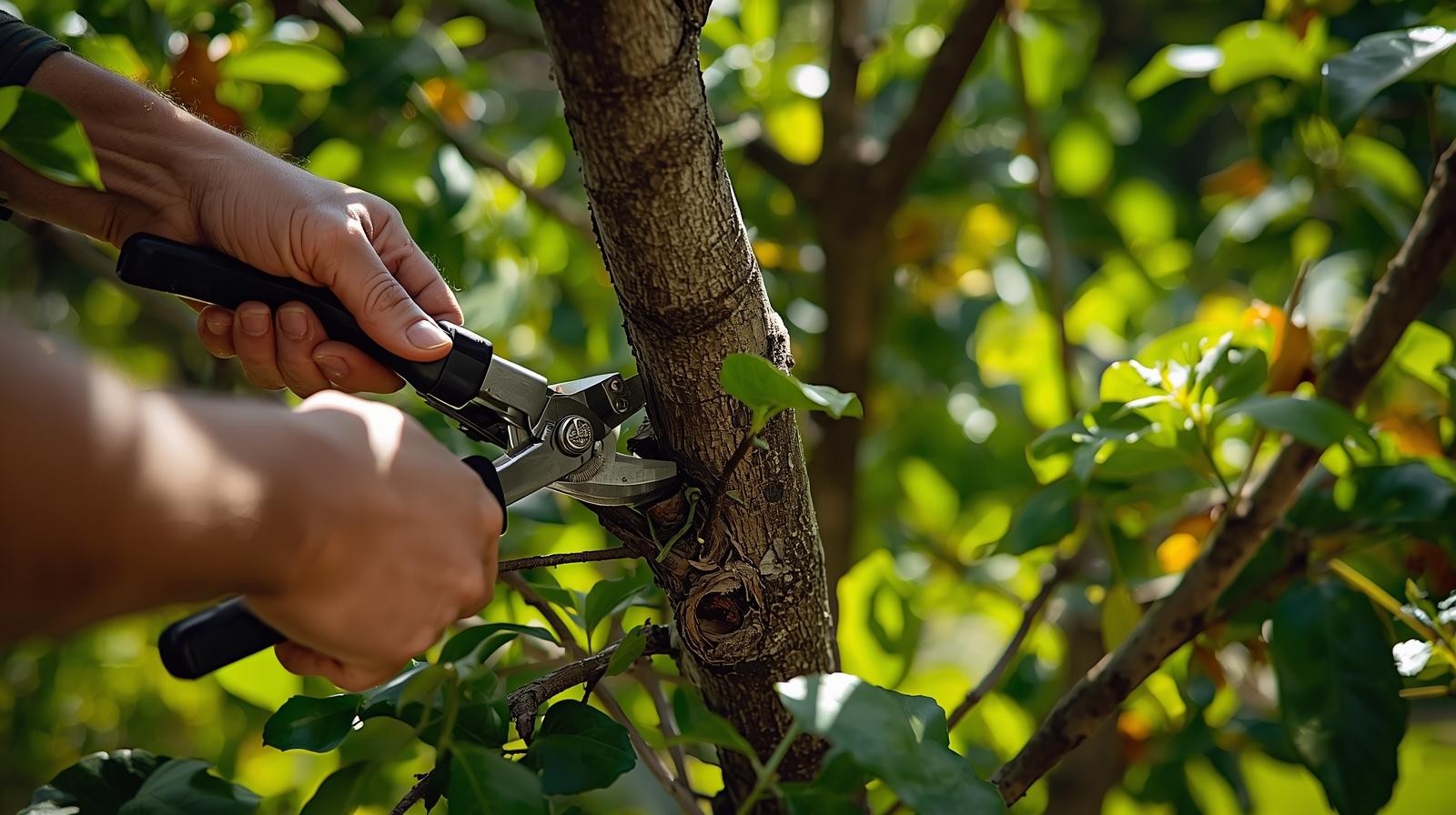
Light pruning (small branches, soft growth, simple shaping) is something many homeowners can do with good hand pruners and a little guidance. Larger limbs, high branches, or work near power lines should be left to professionals with the right tools and insurance. Climbing and chainsaw work are dangerous without training. At Vita Green, we handle pruning of all sizes for residents in Wenatchee, Cashmere, Manson, and across central Washington. We can schedule dormant pruning in late winter and early spring and follow up with summer or post bloom pruning where it makes sense. If you want your trees and shrubs on a schedule that fits our climate, we can set that up for you.