Summer Plant Health Care for Wenatchee Valley Landscapes
Peak season in the Wenatchee Valley means reunion weekends, lake guests, and landscapes working harder than they have since spring. Homeowners often notice the lawn first, but trees, shrubs, and ornamental beds face the same heat, wind, and traffic—and they cannot recover as quickly as turf when stress stacks up.
Vita Green’s plant health care program takes a proactive approach: regular monitoring, targeted treatments, and nutrition timed for central Washington’s dry summers. Here is what peak season looks like for your landscape plants and how professional care helps them through it.
Why summer is hard on landscape plants
Cool-season lawns green up fast with water and feed. Trees and shrubs respond on a slower timeline. By June, plants are using stored energy for growth while facing:
- Afternoon heat on south and west exposures
- Wind that dries foliage along open corridors and ridge lots
- Compacted soil from guest parking, foot traffic, and equipment
- Pest pressure as aphids, mites, and scale insects multiply in warm weather
A plant that looked fine in May can show stress in June without any single dramatic event—just accumulated pressure.
What a plant health care program includes
Our standard plant health care approach combines monitoring with scheduled treatments rather than one-off sprays when damage is already severe. Programs typically include:
- Seasonal fertilization — four applications timed for how trees and shrubs actually use nutrients, not lawn-style quick greening
- Insect monitoring and treatment — up to five targeted applications through the season using integrated pest management (IPM)
- Disease scouting — early identification of issues like powdery mildew, fire blight, and leaf spots common in the valley
- Recommendations for watering, mulch, and cultural practices that support treatments
Optional add-ons such as deep root fertilization and soil amendments are available when diagnostics show they will help.
Integrated pest management in practice
IPM means we do not treat every plant on a fixed calendar whether it needs it or not. Specialists look for signs of infestation, identify the pest, and choose the least disruptive effective option—cultural fixes, biological controls, or selective products when necessary.
That matters on properties where beneficial insects, pollinators, and family pets share the same yard. It also protects the long-term health of plants that repeated broad-spectrum spraying can weaken.
Learn more about our insect control and fertilization services for trees, shrubs, and ornamentals.
Heat and drought stress on high-value plants
Mature trees and established shrubs represent years of growth—and real replacement cost if they fail. Summer stress shows up as:
- Leaf scorch on margins
- Early fall color or needle drop on evergreens
- Thin canopies and reduced new growth
- Increased susceptibility to borers and other secondary pests
Deep, infrequent watering at the drip line helps more than daily spritzes at the trunk. Mulch two to three inches deep—pulled back from the bark—moderates soil temperature and holds moisture. Our team can flag plants that need supplemental care during heat waves.
Pruning and clearance before peak guest season
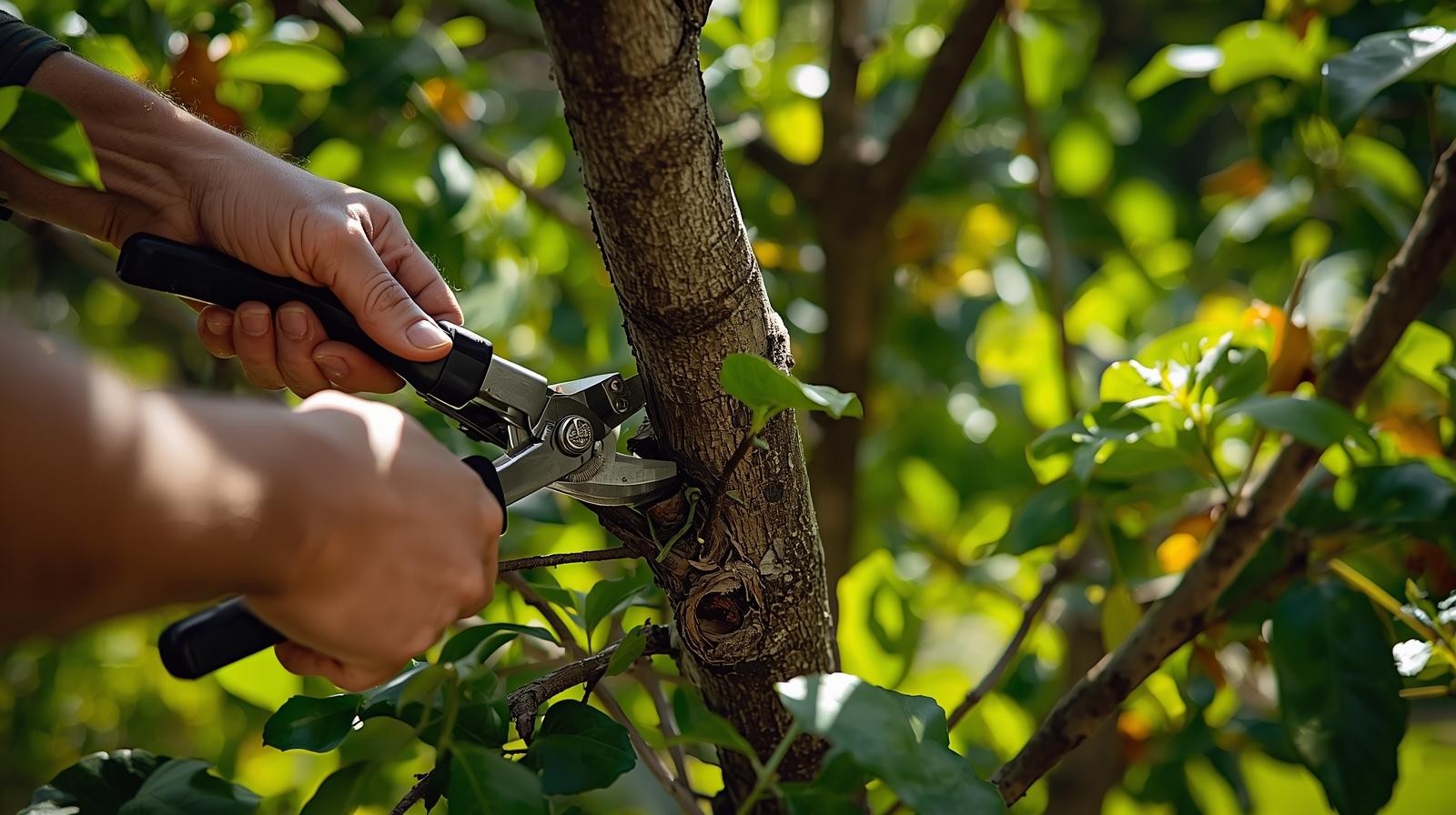
Overgrown shrubs crowd walks, block windows, and trap moisture against siding. Dead or diseased branches invite insects and spread infection. Summer is not the ideal window for heavy pruning on every species, but clearance cuts and removal of hazardous wood belong on the list before guests arrive.
Read when to prune trees and shrubs in central Washington for timing basics, and rely on professional pruning when cuts must be made high, large, or on valuable specimens.
Lawn fertilizer is not tree food
One common mistake in peak season: applying lawn fertilizer near tree roots. High-nitrogen turf products push soft, fast growth on trees and shrubs that is vulnerable to pests and winter injury. Plant health fertilization uses formulations and delivery methods suited to woody plants— including deep root applications when soil compaction limits uptake.
If your lawn program and landscape plants share the same property, they should not share the same product without a plan.
Beds, mulch, and plant health at the edges
Weeds at bed edges compete with shrubs for water and nutrients. Thin or washed-out mulch exposes roots to heat. Overspray from irrigation wets foliage unnecessarily and can encourage fungal issues.
Our mulch and bark guide covers depth and placement that support plant health through guest season. Landscaping bark refresh is often paired with plant health visits when beds look tired before events.
Schedule Vita Green before problems spread
Peak summer is when small issues become visible from the driveway: a hedge with bare patches, a maple with early yellowing, aphids on the roses by the patio. Contact Vita Green with photos, exposure notes (sun, wind, slope), and event dates so monitoring and treatment fit your calendar.
We serve homeowners across Wenatchee, Chelan, Leavenworth, and surrounding central Washington communities with programs built for local climate—not generic national schedules.
Protecting the investment you already made
Replacing a mature tree or a row of foundation shrubs costs far more than maintaining them through a structured plant health program. Peak season is the right time to start paying attention—not the right time to wait until next spring.
Vita Green has cared for valley landscapes since 1986. Let us help your trees and shrubs get through summer healthy, pest-free, and ready for the seasons ahead.