Wenatchee Valley Wind, Dry Turf Strips, and Irrigation Timing on Sloped Lots
From the kitchen window, the same brown half circle can look like drought, wind burn, or a sprinkler that never quite reached the ridge. Mid season along the Wenatchee valley often pairs canyon wind with afternoons that feel like summer against south walls while nights along East Wenatchee and ridge lots still cool quickly. April photos may still show turf you were happy to mow. By now, dry strips on slopes and beside hardscape tell three different stories that copy August habits if you are not careful.
This article is narrative, not a minute-by-minute chart. When you want a structured guide on wind, pavers, and controller rhythm, keep May wind scorch, paver heat, and irrigation minute rhythm beside this read. For guest prep order, pair it with the May guest week irrigation and landscape prep guide.
Wind strips versus missed arcs on the same slope
Wind pulls moisture from leaf surfaces faster than roots replace it on open fetch above the river or along exposed ridges. Strips can bronze while a shaded corner still looks plush. Folded silver blades that recover overnight often point to wind scorch, not dead crowns. Compare similar exposure on your own lot instead of comparing the hot face to the north fence line.
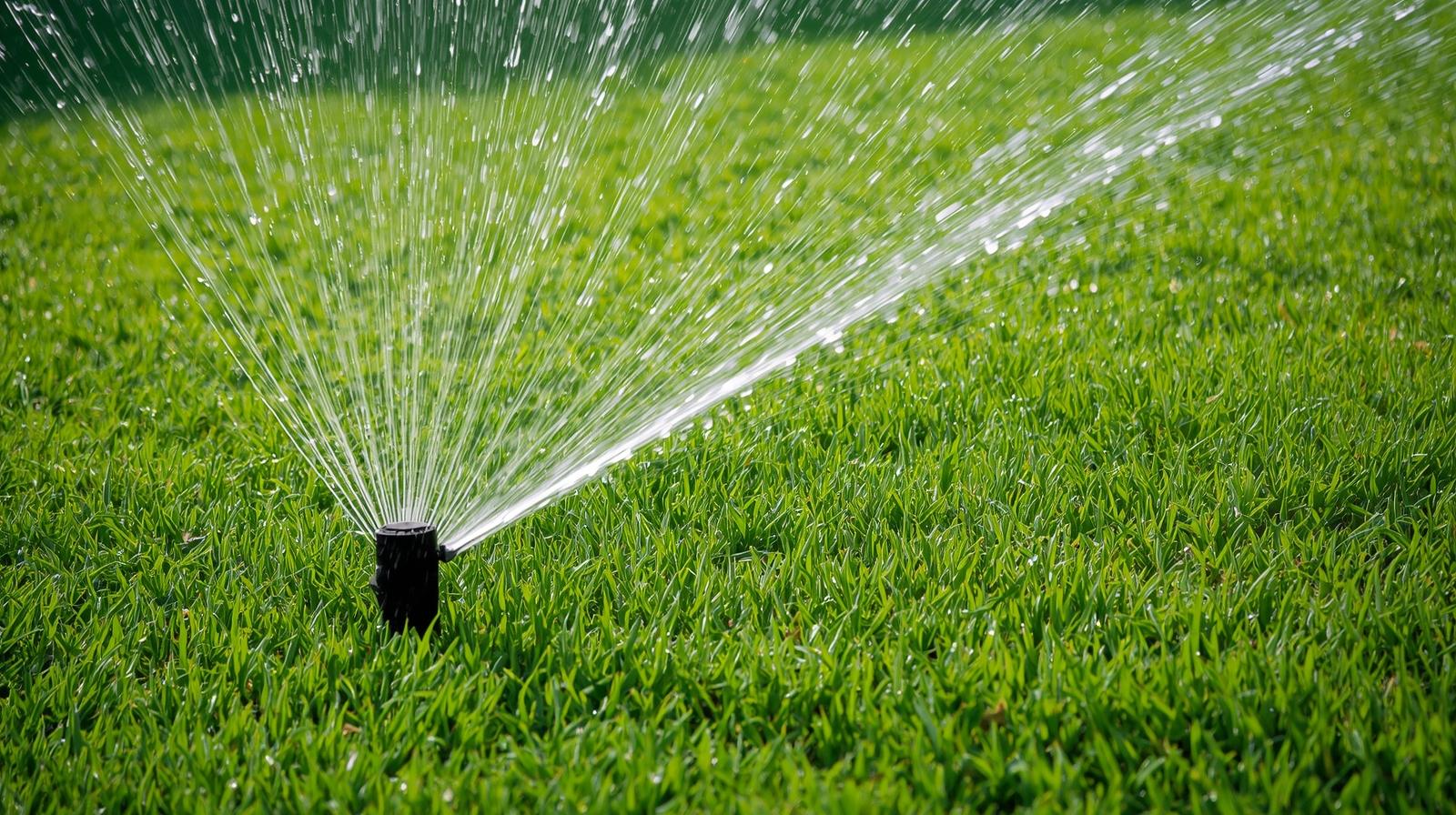
Sprinklers can still miss the same ridge every cycle. If dry wedges follow you into mid season, keep spring irrigation start up in central Washington beside your notes before you raise minutes on every zone. Walk each zone at dusk once and at morning light once. Arcs are easier to read when the sun is low and you can see whether spray reaches the lip of the slope or sheets across the walk.
When repairs belong first, book irrigation repair if a head sprays pavement or a zone never matches grade. Irrigation start up still matters if winter left the system uncommissioned. When to turn sprinklers back on in Wenatchee applies to soil evidence, not party dates alone.
Push a probe in the bronzed strip and in a shady corner the same morning. Matching dry soil in both places points to schedule or coverage. Dry soil only on the wind strip with moist shade corners points to exposure or missed arcs. Moist soil with bronzed blades on the ridge points to wind you cannot fix by flooding the whole zone.
Sloped lots, runoff, and the habit of one long pass
Slopes and clay pockets on one lot often need cycle-and-soak logic instead of one long pass that sheets across the walk and never penetrates the ridge. Short cycles that finish without runoff sometimes beat heroic minutes copied from a flat suburban chart written for a different region.
Low corners can puddle while the lip dries. Adding minutes on the whole zone often floods the swale while the ridge still bronzes. Note which faces catch afternoon sun and which sit in frost pockets that lagged in April. April wind desiccation on lawns is the earlier chapter of the same wind story when you wonder whether damage is new or returning in the same labeled zone.
Dark gravel, south walls, and paver returns amplify heat beside turf. April paver and bluestone edging explains why clean lines and head clearance matter before heat bakes mud into joints. Stone edges wake earlier and stress earlier; they ask for different mental zones even when pipes are not split yet.
Lawn programs after you trust water on valley turf
Steady height and honest water support roots when traffic doubles for a weekend. Color responds to programs instead of single heroic passes. Browse fertilization and weed control and complete lawn maintenance for how we maintain valley turf once moisture at root depth makes sense.
Feed on stressed, dry turf without fixing water often shows up as wasted product and a still brown strip beside the walk. Nutrition belongs after you can explain moisture, not after one bronze afternoon beside the patio. Common lawn problems in Wenatchee ties wind burn, irrigation gaps, and compaction together when several symptoms compete for the same Saturday.
Mowing steady through hot summer is the rhythm piece after guest weeks. Mid season is when you set height and water habits that July will not forgive if they are wrong. If thin areas are bigger than patch repair, say so early when you contact us so renovation conversations sit beside soil truth, not only beside calendar fear.
Beds, mulch, and grit driven into edges
Wind drives grit into bed lines. Bark blown aside along fence corners acts like a mini wind tunnel. Refresh depth for even coverage, not only color, using ideas from how mulch and bark keep Wenatchee yards healthy. Landscaping bark and landscaping edging can be sequenced when edges look tired from grit driven into crisp lines.
Guests notice the frame from the patio, not only the center lawn. When beds steal the photo story before grass does, shape and space mulch refresh for plant beds still applies. Plant health and pruning services fit when woody plants crowd walks guests will use after you fix water on the slope.
Controllers, minutes, and nights that still cool
A schedule copied from August often overwaters shady zones while stone edges and ridge lips starve. Adjust one zone at a time and wait forty-eight hours before you change the next. Mist on pavement is wasted water and often means pressure or nozzle choice is wrong, not that the lawn needs more minutes.
If you are unsure how zones map to exposure, mention it when you start here for a consultation. Bring labeled photos: west wind strip, patio edge, north shade, slope lip. Routing visits before compaction and irrigation gaps stack saves a second emergency pass in June.
Memorial traffic and the same dry strip
Extra feet compress soil along gate paths and patio arcs. Wind and heat still act on those strips after the party ends. If you only fixed color for one weekend, wear and bronze often return together by the following week.
The May memorial week lawn focus quiz sorts turf-first symptoms when you want a suggested service page before you call. Both matchers assume you will still walk zones with a probe; they do not replace that habit on sloped lots where runoff hides dry lips from the street.
Pulling wind, slope, and timing into one sketch
From the kitchen window, wind scorch, missed irrigation, and paver heat can all look like the same brown strip. Walk the lot with a simple label for each zone: open wind, stone edge, shade, slope lip, low swale. Match photos to labels when you call. May rewards evidence over heroics across Chelan and valley towns we already serve.
Decide what belongs on the first visit after two walks and a screwdriver test. When several woody plants look off at once, ask whether beds need attention in the same month as irrigation repairs so visits do not collide on the only Saturday you have free.
Record what you see so July stays simpler. Label phone photos by zone and date. When August heat arrives, you will know whether bronze returned in the same place or moved. Controllers get edited from memory; photos stay honest.
If you raise minutes on stone edges, watch low corners for two days. Flooding the swale to green a hot strip is a common mistake on sloped lots. Split mental zones even when pipes are not split yet. Ask about zone changes during repair visits when slope and exposure clearly disagree.
Guest weekends add traffic after you fix water. Steady mowing height through the party week protects roots better than a heroic scalp beforehand. After guests leave, return to summer mowing rhythm instead of chasing color with feed alone.
Valley wind is not going away. Slopes will still sheet water if you run one long pass. Dry turf strips that looked fine in April are often telling you which story was always there once heat and wind joined the calendar. Name the story, fix water first, then let lawn and landscape programs catch up on timing that fits central Washington instead of a downstate memory.