
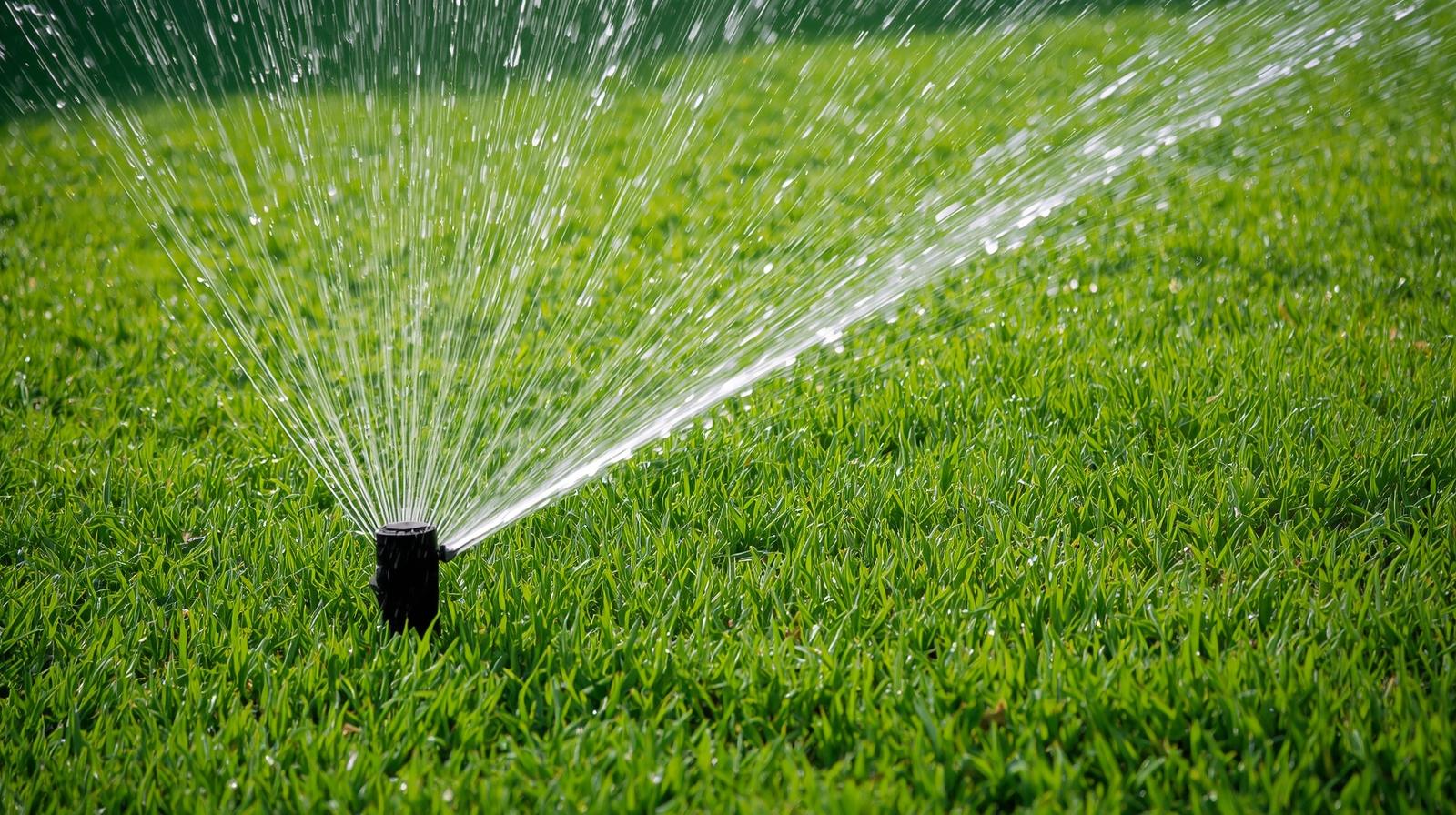
By July, a lot of yards in central Washington start sending the same message: tired plants, hot bare spots, and a water bill that somehow climbed right along with the temperature. Water wise landscape design fixes that by shaping your outdoor space to use less water, stay healthier in heat, and still look finished instead of stripped down.
At its core, water wise landscape design means matching plants, soil, irrigation, and outdoor living areas to the climate you actually have. In a hot, dry region, that matters more than style trends, because a landscape that fights the site will always cost more to keep alive.
What water-wise landscape design really means in a hot, dry climate
A water-wise yard is not a yard full of gravel and cactus unless that is the look you want. It is a landscape planned to hold moisture longer, direct water where it helps, and avoid wasting it on plants or spaces that do not need much. Done well, it feels comfortable, layered, and intentional.
Hot, dry climates create a particular kind of pressure. Summer sun is stronger, wind pulls moisture out of leaves and soil, and reflected heat from patios, fences, and driveways can turn one part of your property into an oven by late afternoon. In central Washington, that difference shows up fast. A bed that looks fine in May can start struggling by 4 p.m. in July if the design never accounted for heat load, soil, and irrigation.
Start with your site before you pick a single plant
The biggest mistake is shopping for plants first. The smarter move is reading your property the way it already behaves. Your site tells you where water disappears, where plants get stressed, and where lower-water choices will actually thrive.
Map the sun, shade, wind, and heat
Start by noticing where the heat sits. South and west exposures usually get the hardest sun, and the west side of a house can bake in late afternoon when temperatures are already peaking. Add a block wall, a driveway, or a light-colored garage door, and that area gets even hotter from reflected heat.
Wind matters too. A breezy corner dries out faster, even when the sprinkler schedule looks generous on paper. Then there are cooler pockets, such as the north side of the house or a tucked-in area near established trees. Those spots often hold moisture longer and can support plants that would fry elsewhere.
Check your soil and drainage
Soil decides how often you need to water. Sandy soil drains fast and dries out quickly, so it usually needs deeper watering more often than clay-heavy soil. Clay holds water longer, but it can also stay compacted and airless, which makes roots miserable. Silty soil sits somewhere in the middle.
Drainage simply means how water moves through and off your soil. If water puddles for hours, roots can suffocate. If it vanishes immediately, plants may never get enough moisture below the surface. Compaction is the catch. Even drought-tolerant plants struggle in compacted soil because roots cannot spread well enough to find water.
Notice how you use the space
A good plan fits your life. If kids run through the backyard every afternoon, you need durable surfaces and maybe a small lawn where it counts. If pets use one side yard, that space should be practical first and decorative second. If the front yard is all about curb appeal, focus water there strategically instead of forcing every corner of the property to perform the same way.
Trying to make the whole yard match one style usually backfires. A better approach is giving each area a job, then matching water use to that job.
Build the design around water zones
Hydrozones are simply groups of plants with similar water needs placed together. That sounds basic, but it is one of the smartest moves in a water-wise landscape because it keeps you from drowning one area just to save another.
High-, moderate-, and low-water areas
Most properties work best with a mix of zones. A high-water area might be a small lawn, a welcoming entry bed, or a patio border you see every day. Moderate-water areas often include shrubs, shade plantings, or mixed beds that need regular but not constant irrigation. Low-water zones are where climate-adapted shrubs, grasses, and perennials can do the heavy lifting with less frequent watering once established.
The trick is not eliminating all higher-water space. The trick is making it smaller, more intentional, and easier to irrigate correctly.
Put the right plant in the right place
Plants fail less when placement makes sense. A shrub that wants part shade should not be parked in reflected heat against a south-facing wall. A tree that eventually spreads 20 feet wide should not be squeezed into a 4-foot strip between the sidewalk and driveway.
Match each plant to exposure, mature size, and water need from the start. That cuts pruning, reduces stress, and helps the landscape settle in faster instead of constantly asking for rescue watering.
Shrink thirsty lawn areas on purpose
Turf still has a place. It cools the space, feels good underfoot, and works well for play and gathering. But lawn only makes sense where you actually use it. If a narrow strip beside the fence never gets walked on, it does not need to be irrigated like a sports field.
Think of lawn as a functional surface, not wall-to-wall carpeting. That shift alone can save a surprising amount of water.
Choose plants that can handle heat without constant rescue watering
Low-water planting does not mean neglect. New plants still need regular watering while roots establish, and even mature drought-tolerant plants need support during extreme heat. But the long-term goal is simple: choose plants that belong in the conditions instead of fighting them.
What to look for in trees, shrubs, and perennials
Look for traits that signal toughness. Small leaves, gray or silver foliage, waxy surfaces, and deep root systems often point to better drought tolerance. Plants that hold good form through summer without collapsing are worth far more than plants that look great for three weeks and then burn out.
But survival is not enough. Pay attention to structure, bloom time, foliage texture, and winter interest. A water-wise landscape should still have shape and rhythm, not just a collection of survivors.
Native and climate-adapted plant ideas
In central Washington-style conditions, ornamental grasses, lavender, yarrow, catmint, Russian sage, salvia, and penstemon often handle heat well. Shrubs such as spirea, potentilla, juniper, and some viburnums can work nicely depending on exposure and soil. For shade and cooling, regionally adapted trees such as honey locust or certain maples may fit better than thirstier choices that struggle in dry summers.
Native plants can be a strong option, especially when matched to the right soil and exposure. Climate-adapted plants matter just as much. If a plant has a long track record of doing well in hot, dry local landscapes, that history counts.
Avoid common planting mismatches
Some problems are predictable. Water-hungry plants in reflected heat usually become high-maintenance fast. Plants that want rich, cool soil often fail in exposed dry beds unless you heavily modify the site and irrigation. Crowding also creates trouble, because roots compete harder and air movement drops.
A good plant list is not just about what can live there. It is about what can live there without drama.
Use hardscape and mulch to keep water in the ground longer
Plants are only half the story. Paths, patios, gravel, edging, and mulch all affect how heat and moisture move through the landscape.
Pick mulch that fits the space
Organic mulch, such as bark or wood chips, helps moderate soil temperature and slows evaporation. It also improves soil gradually as it breaks down. That makes it a strong choice for most planting beds.
Inorganic mulch, such as gravel or rock, lasts longer and can look clean in modern or desert-style designs. But rock also absorbs and reflects heat, so it is usually better in the right setting than everywhere. Around heat-sensitive plants, bark often performs better.
Reduce runoff with smarter surfaces
Hard surfaces should not send every drop straight to the street. Permeable paving, gravel pathways, and simple grading can help water soak into planting zones instead of running off. A dry creek bed or shallow swale can also guide stormwater through the landscape in a way that looks intentional instead of messy.
The idea is simple: slow water down, spread it out, and give it somewhere useful to go.
Add shade and wind protection strategically
A little shade changes everything. Trees, pergolas, fences, and layered planting can cool seating areas, protect sensitive plants, and reduce moisture loss from both leaves and soil. Windbreaks help too, especially in exposed yards where hot, dry air strips moisture fast.
This is not just about comfort, though that matters. It is also about making every gallon of irrigation work harder.
Irrigation that supports the design instead of fighting it
Even the best plant choices can struggle under a bad watering setup. A smart irrigation system supports the design by delivering the right amount of water to the right place.
Why drip irrigation works so well
Drip irrigation delivers water slowly at the soil level near plant roots. That means less evaporation, less overspray, and better control in beds with shrubs, trees, and perennials. It is especially useful in hot climates where overhead watering can disappear into the air before it really helps.
It also pairs naturally with hydrozones. Low-water beds can run differently from moderate-water beds, which is exactly the point.
When sprinklers still make sense
Sprinklers still belong in lawn areas and some broad groundcover spaces. The key is keeping coverage even and avoiding spray onto sidewalks, patios, and driveways. Overspray is one of the easiest ways to waste water without noticing.
If sprinklers are watering pavement, the system is not doing its job.
Watering schedules for establishment and long-term care
Newly planted landscapes need more frequent watering at first because roots are still shallow and concentrated near the original root ball. Once plants establish, watering should shift deeper and less often. That encourages roots to move down into cooler soil where moisture lasts longer.
Season matters too. Spring heat-up often catches people off guard, and summer schedules usually need adjustment again when temperatures spike. The best schedule is not fixed all year.
Maintain the system so it actually saves water
Irrigation only saves water when it works. Check for leaks, clogged emitters, broken sprinkler heads, pressure problems, and timer settings that drift out of sync with the season. Small failures add up quickly, both in wasted water and stressed plants.
This is where professional irrigation services can make a real difference, especially on larger residential or commercial properties.
Keep the landscape healthy with less work and less waste
Water-wise landscapes still need maintenance, but the work becomes steadier and more targeted. You spend less time reviving stressed plants and more time keeping the whole system balanced.
Weed control without creating more water competition
Weeds are not just ugly in a dry climate. They steal moisture fast. Mulch helps suppress them, proper spacing reduces open soil where weeds sprout, and timely removal keeps a small problem from turning into a full-season fight.
Eco-friendly weed control works best when paired with good design. Fewer bare gaps and less overwatering usually mean fewer weed headaches.
Fertilization and plant health in lean conditions
Overfertilizing often creates soft, thirsty growth that struggles in heat. A better approach is steady, appropriate feeding based on plant type and soil conditions. Lawns, trees, shrubs, and ornamentals all respond better to care that supports healthy growth instead of pushing excess growth.
That is especially true in central Washington, where leaner conditions reward balance over force.
Pruning for health, shape, and water balance
Good pruning removes dead, damaged, or poorly placed growth and helps plants hold a stronger form. It can also improve airflow and reduce unnecessary stress. Harsh shearing, topping, or badly timed pruning usually does the opposite.
When plants are already dealing with summer heat, poor pruning is like asking them to run uphill with a backpack.
Watch for pests and heat stress early
Heat-stressed plants often show warning signs before they fail. Leaf scorch, wilting, thinning canopies, dieback, or sudden pest activity all signal trouble. Catching that early matters, because the fix may be as simple as adjusting irrigation, mulch depth, or plant health care before replacement becomes the only option.
Smart design choices for front yards, backyards, and commercial spaces
The same principles work across different properties, but the layout should match how the space needs to perform.
Front yards that look polished without heavy water use
A front yard does not need a large lawn to look cared for. Layered shrubs, a strong walkway, one or two focal plants, and clean mulch lines can make the whole entrance feel inviting. Reducing thirsty annuals and oversized turf areas often improves the look because the design gets more structure.
Backyards built for comfort and real life
Backyards work best when comfort drives the plan. Shade near seating, durable paths, a manageable play area, and lower-water planting around the edges usually create a yard that gets used more often. If pets or kids dominate the space, keep those zones practical and let the ornamental areas support them instead of competing with them.
Commercial landscapes that stay professional and efficient
Commercial properties need durability and consistency. Clear sightlines, tidy planting palettes, dependable irrigation, and lower-maintenance materials help the site stay professional without constant rework. In high-traffic areas, simple and intentional usually looks better than complicated and struggling.
Common water-wise design mistakes to avoid
Most failures come back to a few predictable planning mistakes.
Overplanting and overwatering at the same time
Crowded beds look full for a season, then turn into a trimming and irrigation mess. Plants compete for space, air movement drops, and watering becomes less precise. The result is often stress, disease pressure, and more maintenance than expected.
Copying a mild-climate landscape
A yard inspired by Portland or Seattle can look great in photos and fail badly in central Washington. The style may still work, but the plant list and irrigation strategy need to change. Adapt the look to the climate instead of copying it whole.
Installing everything at once without a plan
Large projects often go wrong when everything gets installed in one rush. A simple phased plan helps you fix drainage and irrigation first, then add hardscape and planting in the right order. That prevents expensive do-overs.
How to plan your water-wise landscape in simple steps
A full redesign can feel big, but getting started is usually easier than it looks.
Step 1: audit what stays, what goes, and what needs help
Walk the property and notice what consistently struggles, what still looks strong, and where irrigation problems show up. Keep healthy plants that fit the new plan. Flag lawn areas or beds that use lots of water without giving much back.
Step 2: sketch zones, surfaces, and plant groups
Draw a simple layout showing lawn, beds, paths, shady spots, hot exposures, drainage flow, and hydrozones. It does not need to be fancy. Even a rough sketch helps you see where water use can drop without making the yard feel empty.
Step 3: upgrade in the right order
Start with site fixes such as drainage or compaction problems. Then address irrigation, followed by hardscape, planting, and mulch. That order saves time and money because you are not tearing out finished work to repair something underneath.
Step 4: try one high-impact change first
If a full redesign is not on the schedule yet, start with one move that pays off fast. Convert one thirsty bed to drip and mulch. Remove one unused patch of lawn. Rework one heat-blasted area on the west side of the house. One smart change is enough to prove how much easier your landscape can be.
- Disclaimer: This article is for general informational purposes only. It is not professional advice, a quote, or a service agreement. Conditions at your home or property may differ; contact a qualified professional for an on-site evaluation before making repair, safety, or spending decisions.