Vita Green Uses Snap Traps for Rodents, So Access and Follow-Up Matter
A homeowner may expect rodent service to begin with poison placed somewhere out of sight. Vita Green publishes a different approach. Our rodent control service includes property inspection, identification of entry points, exclusion work, snap traps, and ongoing monitoring. We specifically use snap traps rather than presenting every rodent problem as a bait only program.
That service works best when the technician can follow the evidence, place equipment where it belongs, and return to inspect what happened.
Begin with the rooms where evidence appears
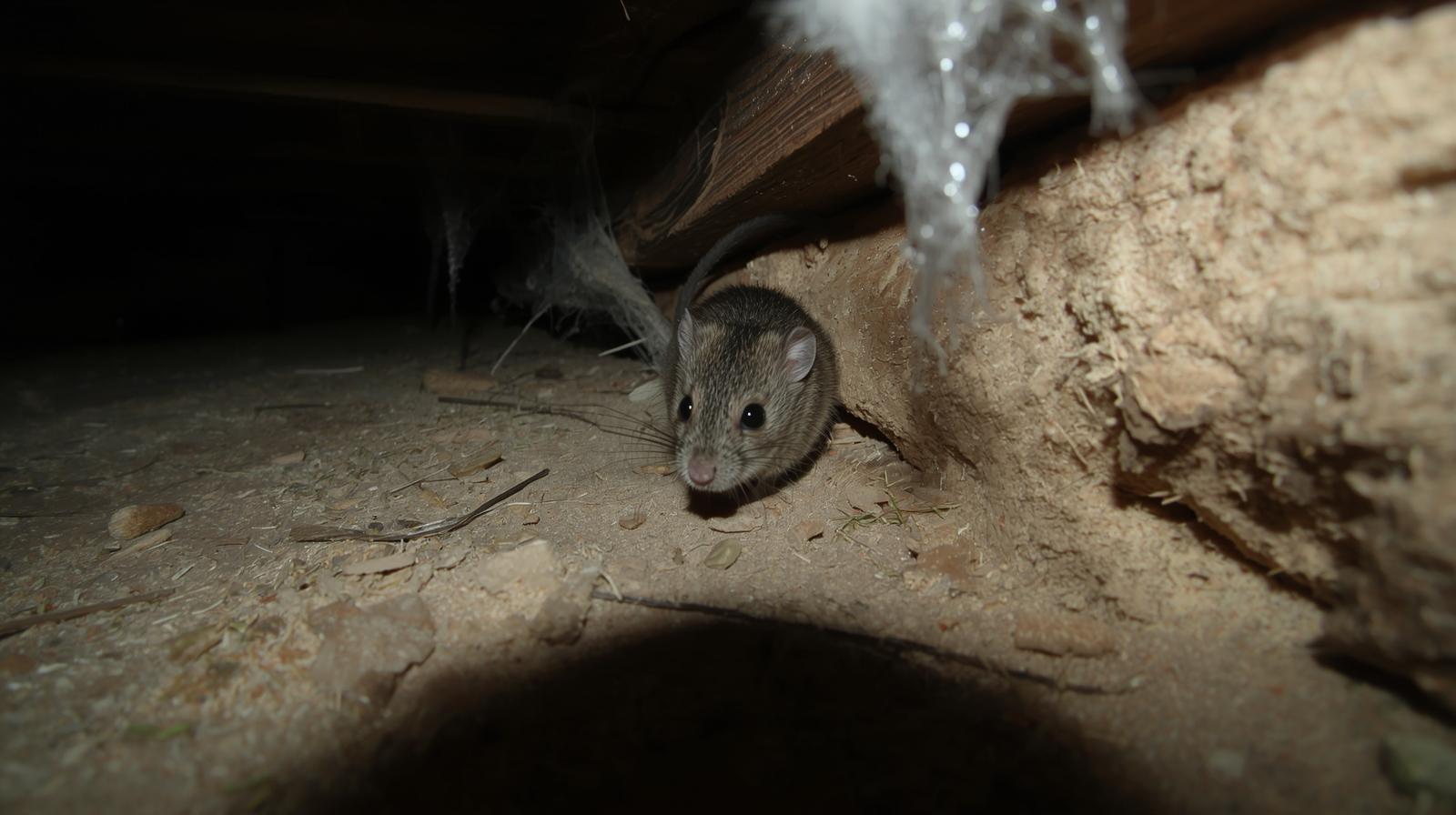
Tell us exactly where activity has been noticed. Useful locations include the pantry, kitchen, garage, utility room, basement, crawl space, attic, storage room, commercial stockroom, break room, mechanical area, and agricultural outbuilding. Then describe the evidence. You may have found droppings, damaged packaging, nesting material, scratching sounds, food disturbance, or a captured image from a camera.
A strong request sounds like this: small droppings appeared beneath the kitchen sink and along the wall behind the refrigerator, and movement was heard in the same wall during the past three nights. That gives the technician a route to investigate instead of a vague request to check for rodents.
Leave useful evidence in place before the inspection
Cleaning is understandable. Nobody wants rodent evidence sitting in a kitchen or office. Photograph the condition before removing it, and avoid cleaning every related area immediately before we arrive when the space can be kept safely isolated. Record the location, date, approximate quantity, food or material damaged, direction of a visible travel line, recent construction, plumbing leaks, a door left open, new storage, weather change, and any previous rodent work.
Do not handle droppings, nesting material, or dead rodents without following appropriate cleanup guidance. We should provide preparation and cleanup instructions for the actual property condition.
Snap trap placement should follow rodent movement
A professional does not need to scatter traps randomly through every room. The inspection should identify likely travel routes and conditions supporting activity, including wall edges, utility penetrations, cabinet voids, garage corners, storage boundaries, gaps beneath doors, pipe openings, attic routes, crawl space access, food storage, cluttered areas, and exterior entry points.
We list inspection, entry point identification, snap trapping, exclusion, and monitoring as connected parts of the rodent program. The trap location should therefore make sense within the technician’s explanation of how the animal appears to be moving.
Children and pets belong in the placement plan
Tell us about young children, dogs, cats, other pets, visiting grandchildren, tenant access, employee work areas, cleaning crews, storage employees, and areas opened during business hours. Do not move professional equipment after placement unless we direct you to do so. A trap moved from a protected travel route into an open area may create an access concern and reduce its usefulness. Everyone who enters the property should know not to handle or relocate the equipment.
Trap checks are part of the service
A snap trap program needs inspection after placement. The technician may need to determine which traps were triggered, which areas remain active, whether evidence moved, whether another entry point exists, whether exclusion work changed activity, whether food sources remain, whether more traps are needed, whether the problem appears resolved, and when monitoring can end.
Know who checks the traps and how frequently. Do not assume we will know that a trap has triggered unless the service plan includes an automatic visit or you report it. Ask for the communication process at the first appointment.
Exclusion prevents the same route from remaining open
Capturing one animal does not repair the opening it used. We include exclusion methods within our rodent service. Possible entry areas can involve door sweeps, utility penetrations, foundation gaps, siding transitions, vent openings, garage door edges, pipe chases, roof intersections, crawl space covers, and damaged screens.
The proposal should identify what we can close within our approved pest control scope. Larger repairs may require a carpenter, roofer, siding contractor, mason, or another provider. A useful report separates exclusion completed by us, larger building repair recommended, an area requiring monitoring before closure, and an opening that should remain accessible for another purpose.
Do not close every opening before the technician arrives
A homeowner may see a gap and seal it immediately. That can make the inspection harder and may trap an animal inside the building. Photograph the opening and ask about the correct sequence. The technician may recommend confirming activity, placing traps, monitoring the route, closing selected openings, checking for new activity, and completing final prevention work. The order depends on the building and evidence.
Food management supports the trapping plan
Rodents do not need an open bag of cereal in the middle of the floor. Small amounts of food can remain available through pet bowls, bird seed, livestock feed, pantry spills, crumbs beneath equipment, restaurant storage, break room cabinets, garbage, recycling residue, produce storage, and garage food supplies. Before service, inspect the areas around the evidence. Move food into suitable containers where practical and follow our instructions about cleaning and storage. Do not change the entire room before documenting where activity occurred.
Commercial properties need a shift handoff
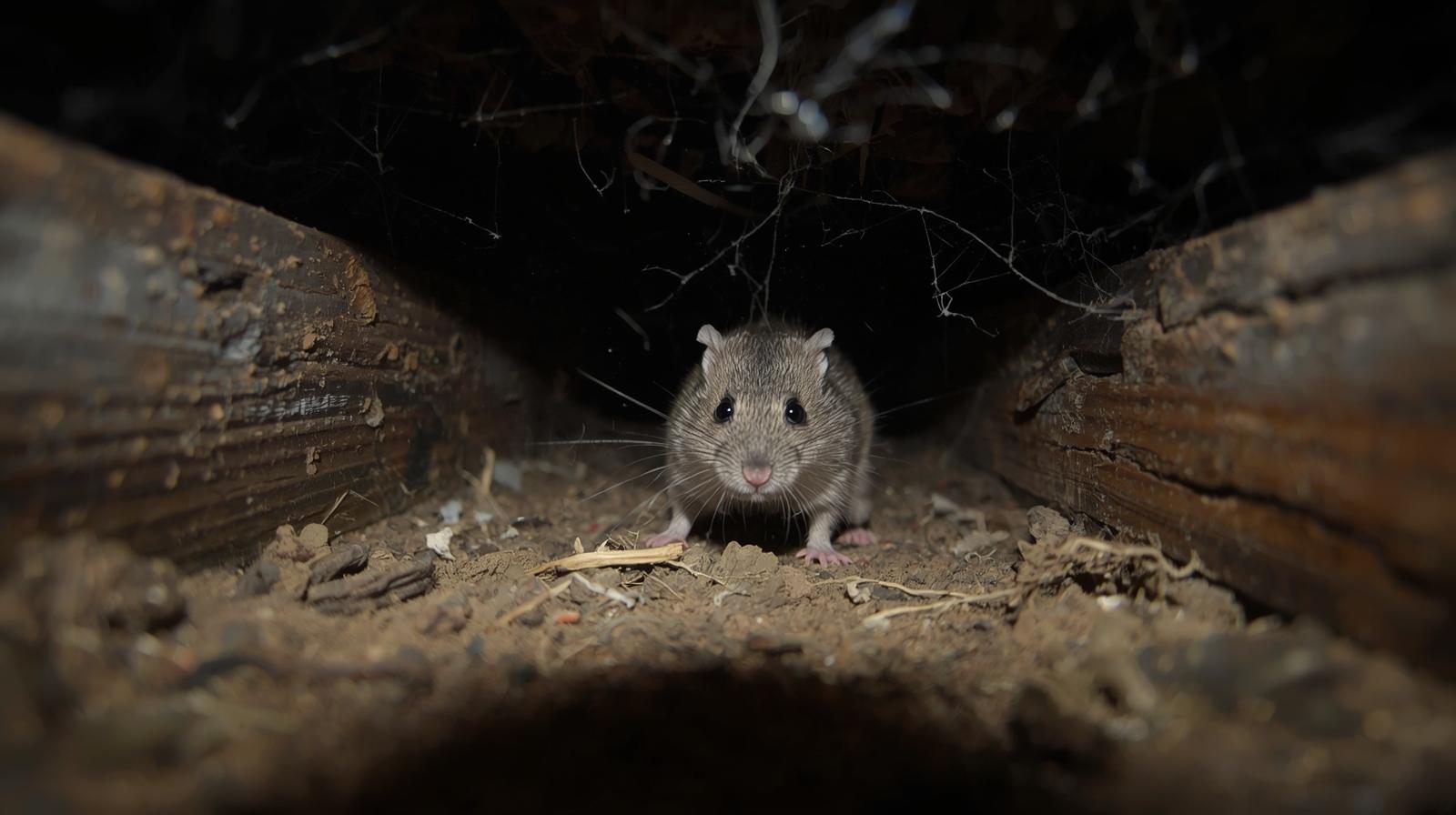
A rodent problem in a business may be noticed by several people. The opening employee sees droppings. The cleaning crew removes them. A manager calls us. The night employee hears movement but never reports it. Create one incident log with the date, area, evidence, person reporting, and action taken. This gives us a timeline rather than several disconnected stories, and it pairs well with broader general pest control work when more than one pest is involved.
Keep landscaping from hiding exterior routes
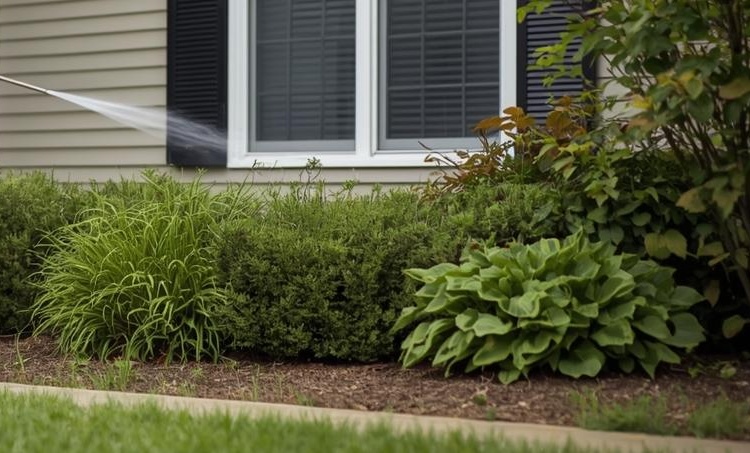
We also provide landscaping, pruning, irrigation, lawn maintenance, and plant health care. That wider service range can help identify exterior conditions such as dense vegetation against walls, groundcover hiding the foundation, irrigation creating a wet entry area, stored landscape material, branches touching the structure, overgrown bed edges, debris near doors, and damaged exterior vents. The landscape does not cause every rodent problem. It can make inspection and exclusion more difficult when the building edge cannot be seen.
Request a closeout that explains the whole sequence
The final record should identify evidence found, the suspected or confirmed pest, trap locations, trap results, entry points, exclusion completed, repairs referred elsewhere, sanitation recommendations, the monitoring period, the follow-up date, and conditions that should trigger another call.
We serve Wenatchee, East Wenatchee, Chelan, Leavenworth, Cashmere, Quincy, and surrounding central Washington communities from 3774 Iroquois Lane in Wenatchee. Browse more tips on the Vita Green blog, or reach us through the contact page or at (509) 663-8670.