
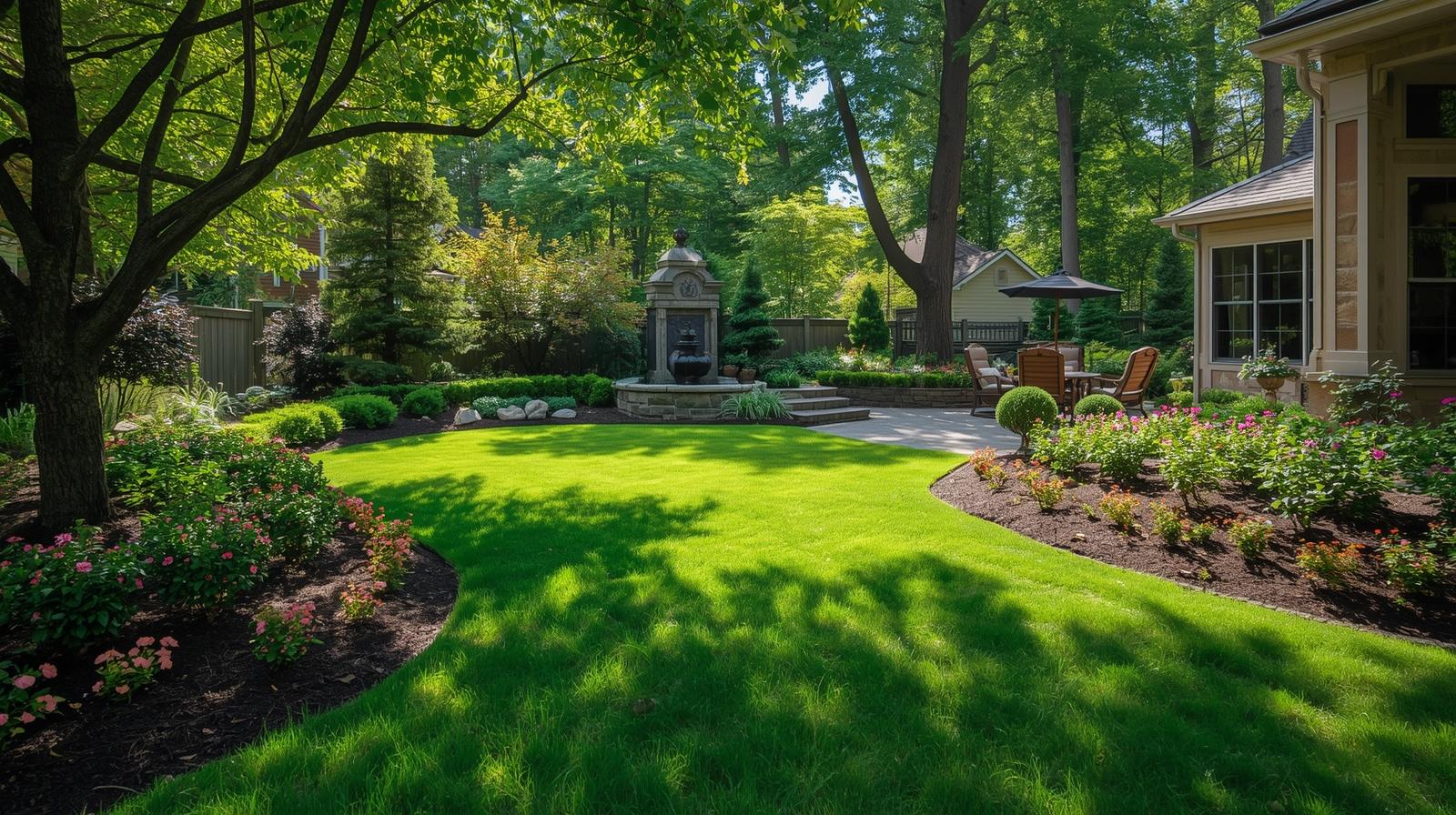
Shape, Space, and Mulch: Refreshing Plant Beds Without Starting Over
Your beds looked fine five years ago. Now shrubs swallow the walkway, ground cover climbed into lawn, and the mulch color tells everyone you stopped editing the plan. You do not necessarily need a bulldozer week. Often the win is calmer spacing, a few removals, light corrective pruning, and mulch placed with intention rather than another thick blanket that smothers crowns. Vita Green works these jobs across Wenatchee, East Wenatchee, and valley towns where wind and sun punish weak layout choices.
This article is not a repeat of our early spring mulch and edging timing piece, though the seasons can overlap. Here the focus is reading the bed as a composition: what should stay, what should move or leave, and how mulch supports the plants you keep. For deeper reading on how organic mulch supports soil and roots, see how mulch and bark keep Wenatchee yards healthy.
Start with the line, not the color
Before you touch plants, walk the edge where turf meets bed. If grass runners cross freely and the mower line wanders, viewers see chaos before they notice a single flower. Resetting that line belongs with bed refresh more often than people expect. Our landscape edging page and the matching edging detail hub explain materials and how edges interact with mowing. You can plan mulch after the border reads clearly from the street.
Edit for air and light
Crowded beds fight themselves. Inner leaves stay damp longer. Outer growth stretches toward light and loses natural shape. Step back and name the plants that still earn their space. Remove volunteers you never chose. Thin the worst overlaps so remaining shrubs keep a single readable silhouette. For woody plants that need cuts timed to the season and the species, pruning and plant health is the service path, and you can preview scope on our pruning hub.
Light pruning during a refresh is different from renovation pruning after years of neglect. The goal here is readability: lift skirts off pavement, open sight lines to windows, and stop branches from slapping people as they pass. Heavy reconstruction may belong on another calendar slot. Be honest about which camp you are in so the crew brings the right tools and time.
Mulch as a finish, not a hiding place
Fresh mulch should not be used to bury problems you plan to ignore. Matted old mulch can hold too much moisture against shallow roots. In other spots it has broken down into something useful. Lift a few areas with a hand tool and look. If you see compacted soil or roots circling near the surface, note those zones before anyone adds depth.
Depth matters. Too little washes away and weeds show through. Too much stresses crowns and slows air reaching the upper root zone. A measured top dressing often beats another full dump. Professional bark and mulch installation accounts for plant type, irrigation style, and whether fabric still belongs underneath. Our bark overview ties product choice to how we work.
When beds need design, not just grooming
Sometimes the problem is layout. Sun moved because a neighbor removed a tree. A patio expansion shrank the bed. Color runs in one narrow band while bare mulch dominates elsewhere. That is the moment for plant bed design and planting rather than only a mulch pass. The plant beds hub walks through how we think about structure, height layers, and long term care load.
If you want a phased plan, say so early. Spring and early summer slots fill with irrigation and lawn work. Bed edits that can wait for fall sometimes get calmer scheduling and less stress on fresh transplants during the hottest weeks.
Tie beds to water and turf without drama
Beds and lawn share an edge and often share a clock on the irrigation controller. If dry pockets show up only near foundation shrubs, the fix may live partly in irrigation repair or start up tuning, not in more mulch. If you are unsure, mention both bed goals and water behavior when you start here for a consult.
Turf programs such as fertilization with weed control need clean bed edges so granular or spray work stays where intended. Refreshing beds helps your lawn crew read the property the same way you do.
A simple sequence you can copy
Work from structure down to detail. First clarify the bed outline and edging. Second address woody plants that block flow or light. Third decide removals and any new plants that belong this season. Fourth plan mulch depth and product after soil and roots are exposed enough to judge. Fifth walk irrigation and note dry or soggy tells. That order reduces rework.
What success looks like
Success is not always a magazine photo. Often it is a neighbor slowing down because the front bed reads intentional again, or you spending less time each weekend pulling grass out of bark. Vita Green has spent decades on central Washington lots with thin soil, bright sun, and cold snaps that test marginally hardy plants. We respect budgets by separating must do edits from nice to have layers, without turning a blog post into a price sheet.
When you are ready to move from notes to a visit, contact us with photos and a short list of trouble spots. We will align bed work with the services described on this site and the season ahead.