
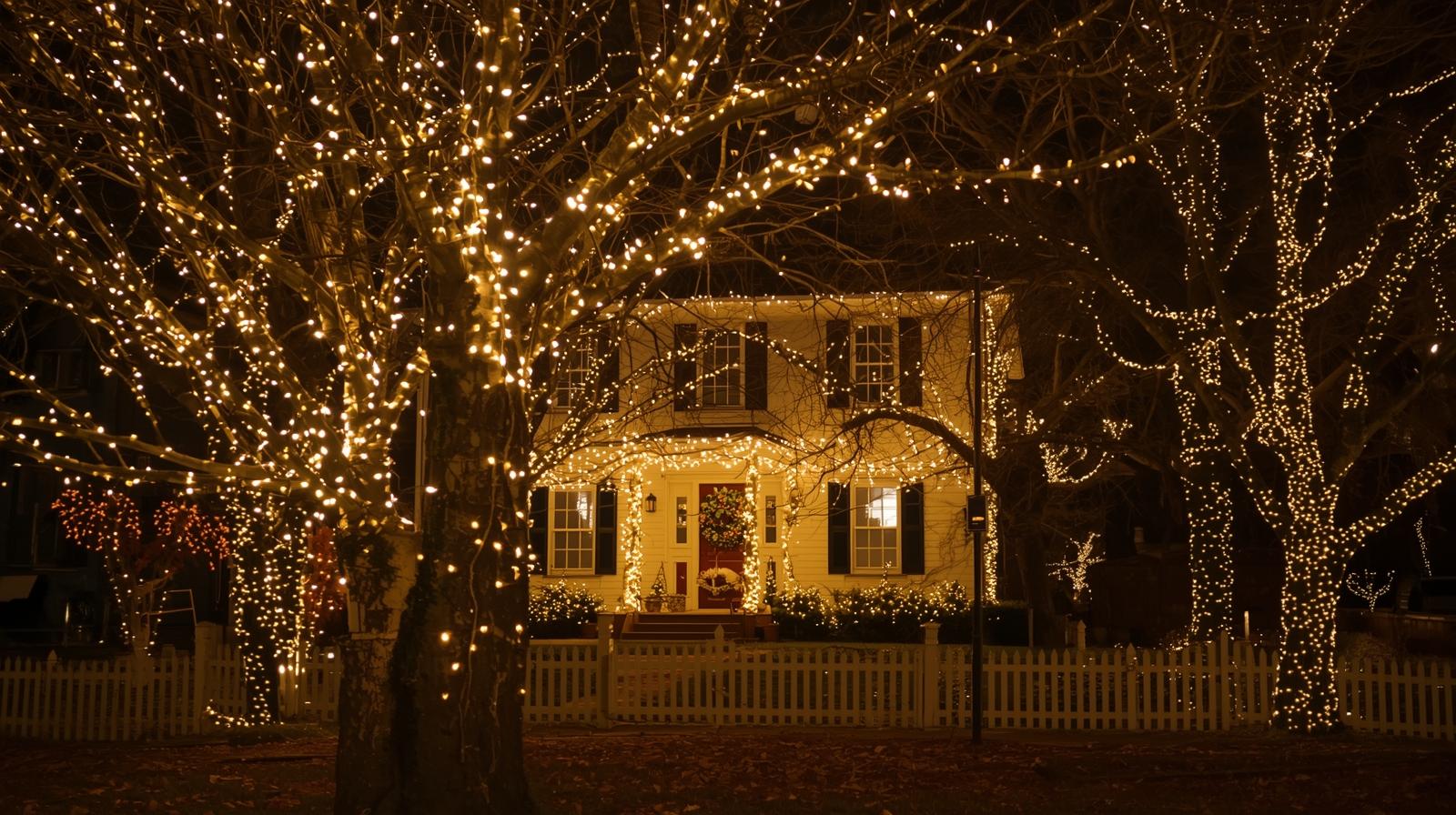
Put Holiday Lighting, Snow Removal, and Landscape Protection on One Winter Property Map
Holiday lights, plow routes, and vulnerable plants often get planned as three separate phone calls in central Washington. Then December arrives and a cord crosses the shovel path, a pile of snow buries a boxed shrub, or a display stake sits where the plow needs to push. Vita Green serves Wenatchee and the surrounding valley with holiday lighting, snow removal, and landscape care that work better when they share one winter property map.
The point of the map is not paperwork for its own sake. It is a single drawing the family, the lighting crew, and the snow crew can all read before the first storm.
Draw the hard lines first
Start with the driveway, walkways, entry doors, meter access, and any slope where snow slides off the roof. Mark where trucks or plows need room to turn. Mark where you want piles to live so meltwater does not drain into a bed or across a walk of ice. Those lines constrain where lighting cords and stake kits can go.
Photograph the front elevation and the side yard in daylight. Night photos help later for aiming lights, but daylight shows grades, hose bibs, and the real width of the plow path.
Place holiday lighting around winter work
Outline eaves, trees, and entry features after the snow routes are drawn. Keep transformers and timers out of splash zones and away from the busiest shoveled edge. Avoid low cord runs across the primary walk. When a tree wrap is important to the display, leave room for wind and for the branch movement that comes with ice.
If a shrub is too close to a plow corner, decide now whether it gets lighting, protection, or a temporary barrier. Do not discover the conflict during the first heavy snow while guests are due.
Protect plants the plow will threaten
Central Washington winters can be dry and cold between storms. Box or screen broadleaf evergreens that sit in wind tunnels or salt splash if that is part of your property plan. Pull mulch back from trunks where mice may tunnel. Note irrigation shutoff and any hose that must stay accessible for watering during dry cold spells.
Landscape beds along the drive take the most abuse from piled snow and deicing material. Mark a no pile zone on the map and tell every person who clears snow. Vita Green landscaping and plant health visits can note winter risk plants during fall work so the winter map is not invented from scratch in a storm week.
Coordinate people and timing
One contact should own the map. Lighting install, lighting take down, snow priority list, and plant protection checks should appear with dates. Take down before soft spring soils turn to ruts protects lawn recovery under complete lawn maintenance. If irrigation startup shares the same spring window, keep the irrigation services notes on the same calendar so stakes and heads are not a surprise.
Commercial and residential properties both benefit when vendors are not guessing who moved a cord or who owns a blocked gate.
Deicing material belongs on the map too
Not every surface should receive the same deicing product. Mark concrete that historically scaled, note pet paths, and keep corrosive material away from fresh plantings and metal fixtures that sit in splash. Snow removal and holiday lighting both fail when meltwater sheets across a cord path and refreezes into a ridge nobody planned to maintain.
If you use a contractor for some storms and handle others in house, put both methods on the same map so piles do not migrate into the lighting zone on the nights you self-clear.
Spring take down protects next season
Remove lighting before soft soils turn to ruts and before irrigation startup begins. Walk the property after take down and note compressed turf edges, broken emitters, and any plant that suffered from a winter pile. Those notes feed spring lawn and irrigation work instead of becoming a mystery dry strip in June.
What to send Vita Green
Send the sketched map, daylight photos, lighting priorities, snow pile preferences, and a list of plants that failed last winter. Mention gate codes and any roof sections that dump snow suddenly. Browse the blog for seasonal lawn and irrigation guidance, then contact Vita Green at (509) 663-8670.
One winter property map keeps holiday lighting bright, snow routes clear, and landscape protection intentional instead of improvised after the first conflict.