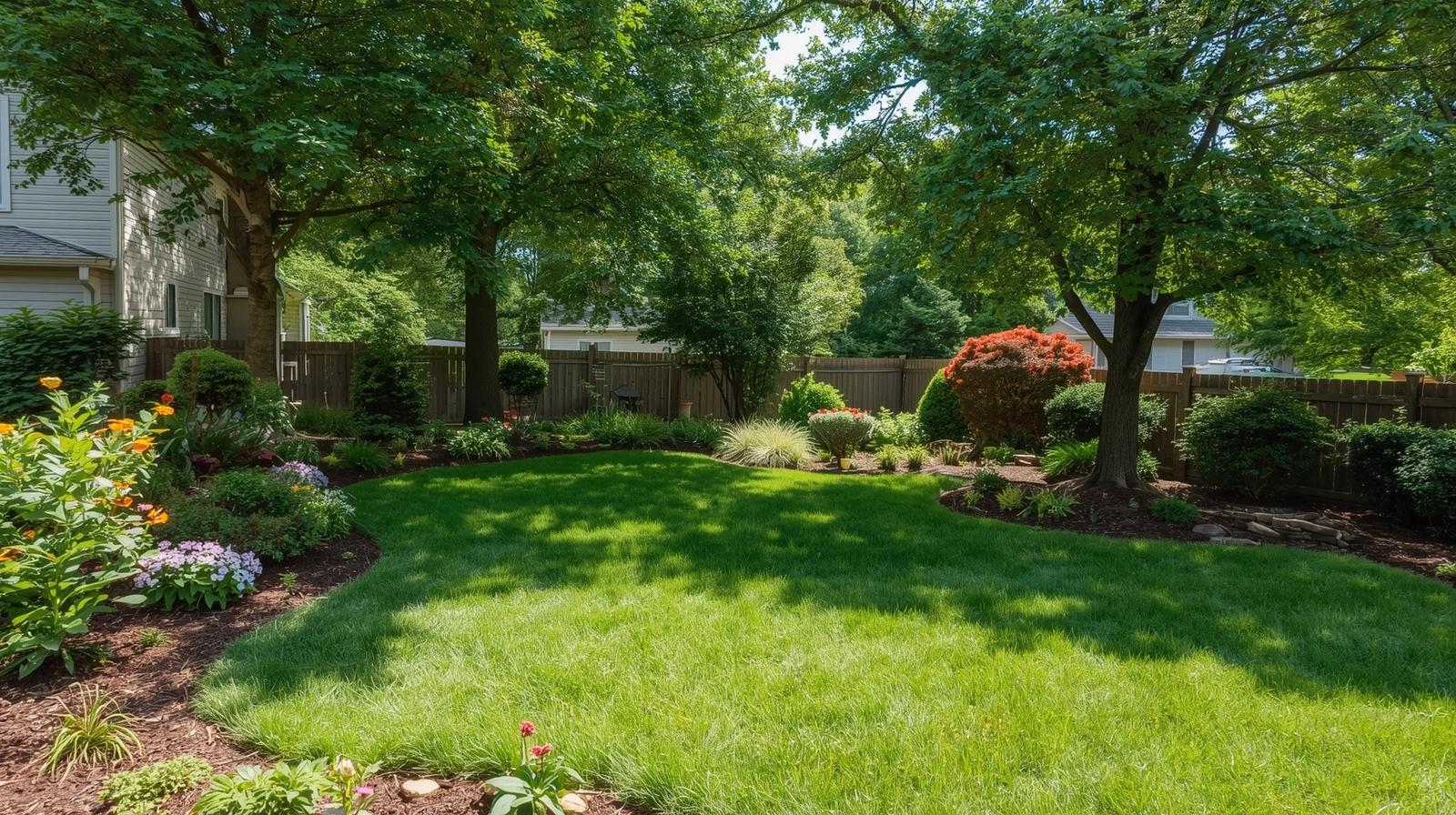
If your lawn looks tired by July, your beds are full of weeds by August, and your irrigation seems to have a mind of its own, the problem usually is not one big failure. It is a maintenance rhythm that never got set. Lawn and landscape maintenance is the ongoing care that keeps grass, planting beds, shrubs, trees, irrigation, and outdoor common areas healthy, clean, and working together across every season.
Early in this guide, here’s the plain-English version: lawn care is the turf side of the job, while landscape maintenance covers the whole property. That means mowing, fertilizing, weed control, pruning, irrigation checks, plant health care, pest control, seasonal cleanup, and winter services for homes and commercial properties across central Washington.
What you’ll learn in this guide:
- What lawn care includes
- What landscape maintenance includes
- Which tasks matter most each season
- How to spot turf and plant stress
- When to handle tasks yourself
- When professional timing really matters
What lawn and landscape maintenance actually covers
A lot of people use “lawn care” and “landscape maintenance” like they mean the same thing. Close, but not quite. If you only focus on the grass, you can miss the irrigation leak soaking one corner, the shrubs crowding the walkway, or the weeds taking over the beds near the entry.
A full maintenance plan looks at the whole outdoor space. That includes turf, planting beds, trees, shrubs, sprinklers, weeds, pests, cleanup, and overall appearance. For a home, that means curb appeal and easier upkeep. For a business, it also means safety, consistency, and a property that does not look neglected by the front door at 8:00 on a Monday morning.
Lawn care vs. landscape maintenance
Lawn care is mostly about turf health. Think mowing, fertilization, weed control, aeration, overseeding, and keeping grass thick enough to crowd out problems before they spread.
Landscape maintenance is broader. It includes the lawn, but also bed care, pruning, mulch, irrigation performance, plant health, pest control, seasonal cleanup, and winter work like snow removal or de-icing. If your question is “How do you keep the whole property looking good all year,” landscape maintenance is the better fit.
Why year-round care works better than one-time fixes
Here’s the thing: outdoor spaces respond better to consistency than rescue jobs. Skipping maintenance is a lot like skipping oil changes and hoping the engine stays happy. Sometimes you get away with it for a while. Then one hot spell, one irrigation issue, or one flush of weeds turns a small problem into an expensive one.
Year-round care also makes timing work in your favor. Pre-emergent weed control only works if it goes down before weeds sprout. Aeration helps most when soil compaction is actually addressed in season. Pruning at the wrong time can reduce blooms or stress the plant. Timing matters just as much as effort.
Start with the basics that keep any property healthy
Most properties do not need fancy fixes first. They need a dependable baseline. Clean edges, proper mowing, working irrigation, healthy soil, controlled weeds, and beds that do not look forgotten. Get those right and the whole place feels more cared for, fast.
Mowing, edging, and cleanup
Mowing sounds simple until grass starts getting scalped, clumped, or stressed. The trick is staying on schedule without cutting too short. In central Washington heat, a lawn that gets buzzed too low can turn from green to stressed in a hurry.
Edging and trimming finish the picture. Crisp lines along sidewalks and beds make a property look maintained even when growth is peaking. Blowing off driveways, patios, and curbs matters too. It is a small detail, but it changes how the whole space reads.
Fertilization and weed control
Grass uses nutrients fast, especially during active growth. A customized fertilization program keeps color, density, and root strength moving in the right direction without overfeeding. That matters in central Washington, where soil conditions and irrigation habits can vary a lot from one property to the next.
Weed control works best as a mix of prevention and treatment. Pre-emergent means weed prevention that stops seeds before they sprout. Post-emergent treatments target weeds that are already up and competing with your turf or ornamentals. Used together, those treatments keep weeds from taking over instead of just chasing them after the fact.
Irrigation checks and water management
A lawn rarely fails for mysterious reasons. Usually it is getting too much water, too little water, or uneven coverage. Broken sprinkler heads, clogged nozzles, bad timer settings, and missed zones can leave one area soggy and another bone dry.
That gets serious by mid-July in central Washington. Long dry stretches and heat expose every weak spot in your watering setup. Regular irrigation checks help catch leaks, overspray, poor pressure, and coverage gaps before the lawn starts showing brown patches and the beds start wilting.
Plant health and bed care
Healthy planting beds do a lot of visual heavy lifting. Even before the lawn greens up fully, clean beds, fresh mulch, and trimmed ornamentals make a property look intentional instead of half-finished.
Bed care includes weeding, deadheading spent blooms, monitoring soil moisture, and keeping shrubs and ornamentals free from crowding and decline. Mulch helps hold moisture, reduce weeds, and moderate soil temperature. It is not glamorous, but it works.
Follow a simple seasonal maintenance plan
The easiest way to stay ahead of landscape problems is to stop thinking in random tasks and start thinking in seasons. Each season has a job. Miss the window, and the next one gets harder.
Spring: wake everything up the right way
Spring sets the tone for the whole year. Start with cleanup: remove debris, cut back winter damage where appropriate, inspect beds, and get the first mow done once growth starts moving.
This is also the time for irrigation startup, early fertilization, weed prevention, and checking trees and shrubs for storm damage or dieback. Some plants benefit from spring pruning, though not all of them. The point is to reset the property while small issues are still easy to fix.
Summer: protect color, growth, and water efficiency
Summer is when maintenance gets tested. Raise mowing height a bit during heat, keep watering consistent, and watch for signs of stress like folded blades, dull color, or hot spots that crisp up faster than the rest of the lawn.
A hot central Washington week can take a lawn from fine to fried surprisingly fast. Spot weed control, irrigation adjustments, and plant monitoring matter more in summer because problems move quickly once heat and dry air settle in.
Fall: repair damage and prepare for dormancy
Fall is one of the best times to improve turf. Cooler temperatures and more forgiving conditions help grass recover from summer stress, which makes aeration, overseeding, and fertilization especially effective.
It is also the right time for leaf cleanup, irrigation shutdown planning, and selective pruning. If your lawn has thin areas, compacted spots, or weak color, fall is usually the best repair window of the year.
Winter: focus on protection and safety
Winter work looks different, but it still counts. Certain trees and shrubs can be pruned during dormancy, winterization checks help prevent surprise repairs, and storm cleanup keeps branches and debris from becoming hazards.
For homes and commercial sites, snow removal and de-icing also become part of property care. Safe access matters. So does protecting hardscapes, entryways, and plant material during freeze events.
Give extra attention to turf health
Your lawn is usually the first thing people notice and the first thing to show stress. A patchy lawn makes the whole property feel less maintained, even if the beds and shrubs look good.
Aeration, dethatching, and overseeding
Aeration pulls small plugs from compacted soil so air, water, and nutrients can move down to the roots. That helps lawns that feel hard underfoot, drain poorly, or struggle to thicken up.
Dethatching means removing the built-up layer of dead material at the soil surface so water and air can get where they need to go. Overseeding adds new grass seed to thin areas and helps improve density. Together, these services can change the feel of a lawn from tired and open to thicker and more resilient.
Common signs your lawn needs help
Thin patches usually point to stress, traffic, poor watering, or soil issues. Yellowing can signal nutrient problems, overwatering, or poor root function. Weeds taking over often mean the turf is too weak to compete.
Runoff, dry spots, and uneven growth often trace back to compaction or irrigation coverage. The catch is that symptoms overlap, so guessing wastes time. If one corner always struggles, there is usually a reason, and it is usually fixable.
Keep trees, shrubs, and ornamentals in shape
Grass gets attention, but shrubs, trees, and ornamentals are what frame the property. When those plants get leggy, overgrown, or stressed, the whole landscape starts looking older than it is.
Pruning for health, safety, and appearance
Pruning is not just cutting things back. Good pruning removes dead or damaged growth, improves airflow, shapes the plant naturally, and reduces safety issues near walks, signs, windows, and buildings.
Timing matters here. Some plants respond best after flowering, while others are better handled in dormancy or during active growth management. Bad cuts can leave plants awkward, stressed, or slow to recover. Good cuts barely look noticeable at first, which is usually the point.
Plant health care and early problem detection
Plant health care is regular monitoring for stress, disease, nutrient imbalance, and insect pressure. Leaves tell on a plant early. So do unusual color changes, sparse growth, dead tips, or sudden leaf drop.
Catching those problems early is much easier than trying to rescue a shrub after decline sets in hard. A quick diagnosis can mean the difference between a simple treatment and replacing the plant later.
Handle water, pests, and problem areas before they spread
Some landscape issues stay quiet until they are suddenly everywhere. Water problems, pests, and repeat trouble zones fall into that category.
Irrigation repairs and system upgrades
Sprinkler systems wear down in ordinary ways. Heads break, nozzles clog, controllers drift off schedule, and coverage patterns change as plants fill in. If one zone always seems weaker, the system is asking for attention.
Efficient irrigation is not just about saving water. It helps prevent shallow roots, fungal issues, runoff, and those frustrating brown patches that never seem to recover on their own. Sometimes a repair is enough. Sometimes a smart upgrade saves time and stress all season.
Pest control around the property
Outdoor pest issues can affect comfort, appearance, and safety. Ants, spiders, rodents, and other nuisance pests often show up around foundations, landscape edges, irrigation boxes, and storage areas.
Safe, effective control works best when it is part of routine property care instead of a last-minute reaction. If pest activity keeps returning to the same spots, the fix usually involves both treatment and cleanup around the area.
Weed and bare-spot trouble zones
Fence lines, curbs, compacted corners, and high-traffic paths tend to fail first. Bare spots near gates or recurring weeds along the edge usually point to a deeper issue like poor water coverage, soil compaction, or constant wear.
That is why repeating the same surface fix does not always work. Seed will not thrive where water misses. Weed treatment will not solve turf thinning caused by foot traffic and hard soil. The root cause has to get fixed too.
Know when to DIY and when to bring in help
Some maintenance tasks are easy to stay ahead of. Others really do depend on timing, equipment, or trained eyes.
Tasks you can usually stay on top of
Basic cleanup, simple mowing, visual irrigation checks, and noticing early stress are manageable for a lot of properties. If you can spot a broken head, pull a fresh weed patch, or clear leaves before they mat down, you are already preventing bigger issues.
Jobs that usually need professional service
Fertilization programs, weed control timing, aeration, irrigation repair, larger pruning work, pest treatment, and snow or de-icing service usually go better with professional help. That is not just about labor. The right timing matters as much as the service itself, and missing the window can make a good treatment far less useful.
What to look for in a maintenance plan
A good maintenance plan should match your property, not force your property into a generic checklist. Look for seasonal visits, clear scope, irrigation attention, plant and turf inspections, and enough flexibility to account for central Washington weather and soil conditions.
Communication matters too. You want to know what is being done, what is being watched, and what needs attention next.
Build a maintenance routine that fits your property
The best routine is the one you can actually keep up with. Not perfect. Just consistent.
Create a month-by-month checklist
Put recurring tasks on a simple calendar: mowing frequency during growth season, fertilizer and weed treatment windows, irrigation checkups, pruning periods, cleanup days, and winter prep. A basic month-by-month plan keeps small jobs from piling up into one giant weekend problem.
Prioritize the highest-impact fixes first
If your list feels long, start with the fixes that change the property fastest: water coverage, weed pressure, mowing height, and visible plant stress. Those four areas solve a surprising number of downstream problems.
Try one seasonal task this week, even if it is just checking sprinkler coverage or raising the mower height a notch. Small fixes done on time beat big catch-up projects every single season.
- Disclaimer: This article is for general informational purposes only. It is not professional advice, a quote, or a service agreement. Conditions at your home or property may differ; contact a qualified professional for an on-site evaluation before making repair, safety, or spending decisions.