
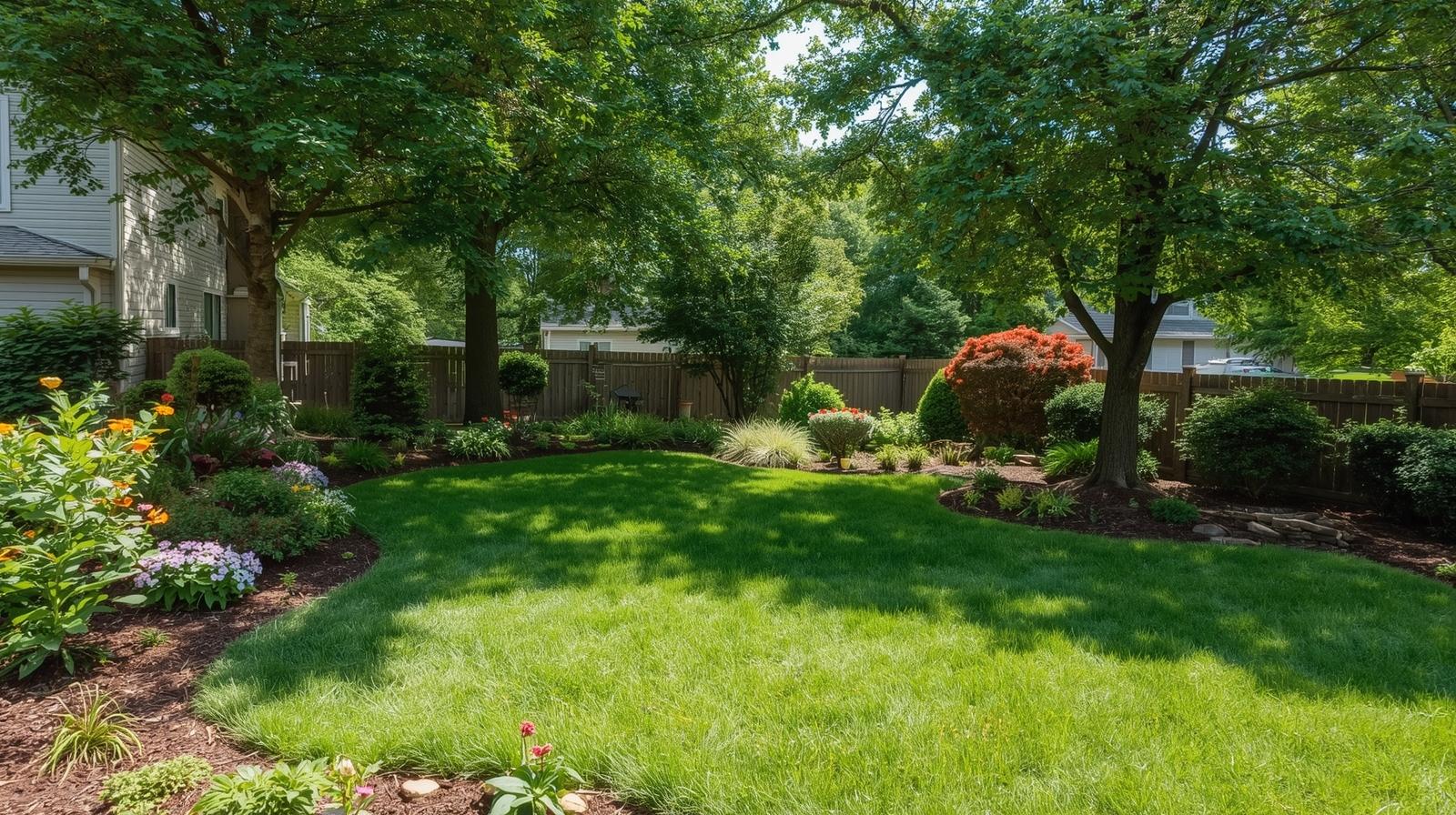
Understanding Irrigation System Winterization
Properly winterizing your irrigation system is crucial to prevent costly freeze damage. In central Washington, where winter temperatures regularly drop below freezing, water left in irrigation pipes can expand and cause pipes to burst, valves to crack, and sprinkler heads to break. Understanding when and how to winterize your system protects your investment and prevents expensive repairs.
At Vita Green, we have been providing irrigation winterization services to homeowners throughout Wenatchee and central Washington for over thirty years. Our experience with local conditions helps us provide reliable winterization that protects systems through even the coldest winters.
Why Winterization is Essential
Water expands when it freezes, and this expansion can cause significant damage to irrigation system components. Even a small amount of water left in pipes can create enough pressure to crack PVC pipes, damage valves, and break sprinkler heads. The damage may not be immediately apparent, but when you start your system in spring, you will discover leaks, broken components, and potentially extensive repairs.
The cost of repairing freeze damage far exceeds the cost of professional winterization. A single broken pipe can require excavation, pipe replacement, and landscape repair. Multiple broken components can result in repair costs that reach thousands of dollars. Winterization is a small investment that prevents these costly problems.
Beyond preventing damage, proper winterization extends the life of your irrigation system. Components that are protected from freeze damage last longer and require less maintenance. Regular winterization is part of a comprehensive irrigation maintenance program that keeps your system operating efficiently for many years.
When to Winterize Your Irrigation System
Timing is critical for irrigation winterization. In central Washington, the ideal time to winterize is typically in early October, before the first hard freeze occurs. Waiting too long risks having water freeze in the system before winterization is complete. Starting too early may mean you need to water manually if warm weather continues.
The best approach is to schedule winterization based on weather forecasts rather than a specific calendar date. When nighttime temperatures consistently drop below freezing, it is time to winterize. In the Wenatchee area, this typically occurs in early to mid-October, but can vary from year to year.
Professional irrigation companies like Vita Green monitor weather conditions and schedule winterization appointments accordingly. We recommend scheduling your winterization appointment in advance to ensure service before freezing temperatures arrive. Many homeowners schedule their winterization as part of their annual irrigation maintenance program.
The Winterization Process
Professional irrigation winterization involves several steps to ensure all water is removed from the system. The process begins by shutting off the water supply to the irrigation system at the main valve. This prevents new water from entering the system during the winterization process.
Next, compressed air is used to blow out all water from the pipes, valves, and sprinkler heads. This process, often called a blow out, requires specialized equipment that can deliver air at the correct pressure. Too much pressure can damage system components, while too little pressure may not remove all water.
The blow out process is performed zone by zone, with each zone activated individually while compressed air forces water out through the sprinkler heads. The technician monitors each zone to ensure all water is removed before moving to the next zone. This systematic approach ensures complete water removal throughout the entire system.
After the blow out, the system controller is typically set to the rain mode or turned off completely. Any above-ground components, such as backflow preventers, may be insulated or wrapped to provide additional protection. The technician will verify that all zones have been properly winterized before completing the service.
Do It Yourself Versus Professional Service
Some homeowners consider winterizing their irrigation system themselves. While this is possible, there are significant risks involved. The compressed air required for proper winterization must be delivered at specific pressures. Too much pressure can damage pipes and components, while too little pressure leaves water in the system.
Professional winterization services have the proper equipment and training to perform the job safely and effectively. Our technicians understand the specific requirements of different irrigation system types and can adjust the process accordingly. We also carry insurance that protects you in the unlikely event of damage during the winterization process.
The cost of professional winterization is typically modest compared to the potential cost of freeze damage repairs. Most irrigation companies offer winterization as part of annual maintenance programs that include spring start-up services. These programs provide comprehensive care for your irrigation system throughout the year.
Preparing for Winterization
Before your winterization appointment, there are a few things you can do to prepare. Make sure the area around your backflow preventer and main irrigation valve is accessible. Remove any plants or obstacles that might prevent the technician from reaching these components.
If you have any concerns about specific areas of your irrigation system, note them for the technician. Areas that have had problems during the season may need extra attention during winterization. Sharing this information helps ensure complete winterization of your entire system.
Consider scheduling your winterization appointment as part of your fall landscape maintenance. Many homeowners combine irrigation winterization with other fall services like leaf removal, plant protection, and final lawn fertilization. This approach ensures your entire landscape is properly prepared for winter.
What Happens After Winterization
Once your irrigation system is winterized, it will remain inactive until spring. You will not be able to use the system for watering until it is professionally started up in spring. If you need to water during winter or early spring, you will need to use a hose or other manual watering method.
The spring start-up process reverses the winterization by checking all components, testing each zone, and programming the controller for the new season. Professional start-up services ensure your system is ready for the growing season and can identify any issues that may have developed during winter.
Scheduling both winterization and spring start-up services together provides comprehensive care for your irrigation system. Many irrigation companies offer these services as a package, which can provide cost savings and ensure consistent care throughout the year.
Signs of Incomplete Winterization
If your irrigation system was not properly winterized, you may discover problems when you attempt to start it in spring. Common signs of freeze damage include broken sprinkler heads, leaking pipes, and valves that do not operate correctly. In severe cases, you may notice water pooling in areas where pipes have burst underground.
If you suspect your system was not properly winterized, have it inspected by a professional before attempting to use it. Trying to operate a damaged system can cause additional problems and may result in water waste or further damage to your landscape.
Professional irrigation companies can assess any damage and provide repair services. Early detection and repair of winterization problems helps minimize costs and gets your system operational quickly for the growing season.
Benefits of Professional Winterization
Professional irrigation winterization provides peace of mind that your system is properly protected. Our technicians have the experience and equipment to ensure complete water removal from all system components. We understand the specific requirements of different irrigation system types and can adjust our approach accordingly.
Regular professional winterization is part of a comprehensive irrigation maintenance program. These programs typically include spring start-up, seasonal adjustments, and winterization services. This ongoing care helps extend the life of your irrigation system and ensures it operates efficiently throughout the growing season.
For homeowners in Wenatchee, East Wenatchee, Chelan, Leavenworth, and throughout central Washington, professional irrigation winterization is an essential service that protects your investment. At Vita Green, we provide reliable winterization services that have protected thousands of irrigation systems through many winters.
Conclusion
Irrigation system winterization is essential for protecting your system from freeze damage in central Washington’s cold winters. Proper timing, complete water removal, and professional service ensure your system survives winter undamaged and is ready for the growing season. Whether you choose professional service or handle winterization yourself, understanding the process helps ensure it is done correctly.
If you have questions about irrigation winterization or would like to schedule service, contact Vita Green. Our experienced technicians provide reliable winterization services for homeowners throughout the Wenatchee area and central Washington. We can help protect your irrigation system investment and ensure it is ready for many seasons of reliable operation.