Irrigation Failure and Wenatchee Wind Stress Can Create Similar Dry Lawn Symptoms
A tan arc beside the sidewalk can mean a nozzle failed, a head tilted, or afternoon wind carried the spray into the street. On Wenatchee valley lots those stories look alike from the curb. Vita Green routes irrigation repair and complete lawn maintenance on properties where wind and water share every summer week. Adding minutes to every zone before you separate the causes often floods the shade and still leaves the windward edge dry.
Walk the system while it runs. Guessing from color alone mixes equipment faults with weather.
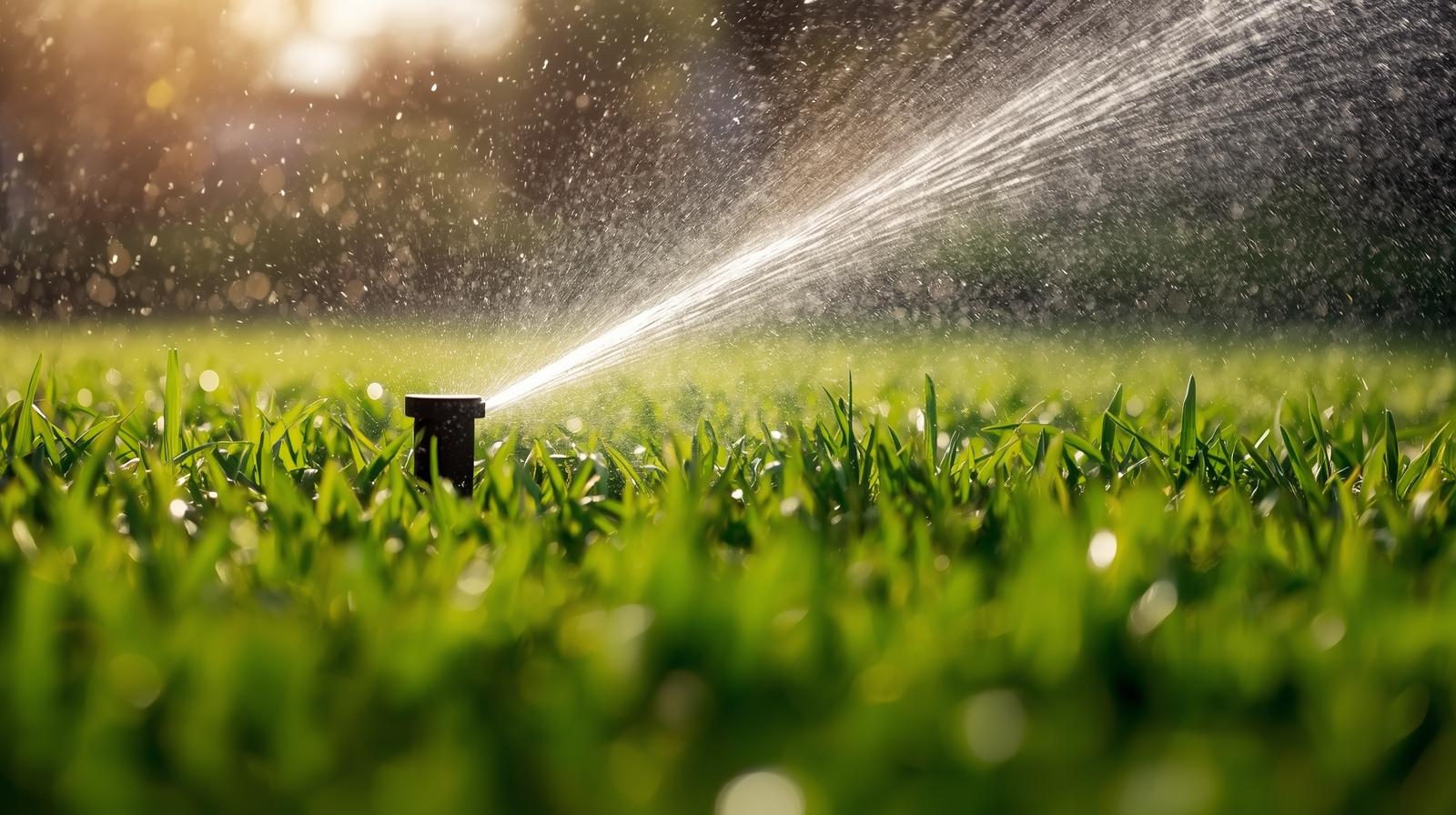
Run each zone and watch the spray
Turn on one zone at a time in daylight. Look for heads that do not pop, nozzles that mist into fog, sprays that hit the driveway, and arcs that stop short of the lawn edge. A single clogged nozzle can print a sharp dry wedge that looks like disease. A tilted head can water the fence for a month while the turf beside it fades.
Mark the valve name, the head number, and a photo. That list turns into a repair ticket instead of a vague complaint that the lawn is dry again.
Watch what wind does on the same zone
Valley wind moves spray off target and raises evaporation on exposed edges. A zone that covers well at dawn can look weak at 3 p.m. even when every head is healthy. Stand upwind during a test and note whether mist drifts into the street or onto a hot wall. Compare the dry edge after a calm morning run with the same edge after a windy afternoon.
If coverage is correct at dawn and the tan band still appears after several windy days, cultural timing and cycle length deserve a look before you replace hardware. If the dry band matches a dead head even at dawn, repair comes first.
Probe the soil before you blame either story
Push a screwdriver into the tan margin and into a green section of the same zone. Dry soil under a sharp arc that matches a missing spray pattern supports an irrigation fault. Soil that is moist while blades still look stressed may point to heat, reflected wall warmth, or traffic wear rather than a failed head. Disease and insects create their own patterns and belong on a separate checklist under fertilization and weed control when evidence fits.
Photograph the worst margin, the best turf on the same valve, and the head that should serve the dry spot.
Fix hardware before you rewrite the whole clock
Replace or adjust the failed head, straighten the tilt, and clear the clog before you add five minutes everywhere. Global minute increases hide faults and create runoff on slopes. After the repair, watch the margin for several days through normal wind. Then adjust schedules with cycle and soak habits that match grade, as discussed in related posts on slope runoff and overspray and tan margins and deep soak timing.
Trees and reflected heat can mimic both problems
A new tree canopy can block a head that used to cover well. A light colored wall can reflect heat into a margin that no schedule fully hides on the hottest days. Note recent planting and hardscape changes when you report a dry arc. Wind stress and irrigation faults remain the first two checks, but site changes deserve a third line on the sketch.
Keep a simple two column log
Use two columns for a week: irrigation faults found, and windy day observations. A dry arc that appears only on windy afternoons with good dawn coverage belongs in the wind column. A dry arc present at dawn with a dead head belongs in the fault column. That habit stops the argument that every brown edge needs more minutes.
When to call Vita Green
Send dawn and afternoon photos, a short video of the zone running, and notes on windy days versus calm days. Mention recent digging, timer changes, or new plantings that block a head. Review irrigation services and contact Vita Green at (509) 663-8670 when you want the fault separated from the weather.
Wenatchee lawns dry out for more than one reason. Separate irrigation failure from wind stress and the next adjustment finally matches the lot.