
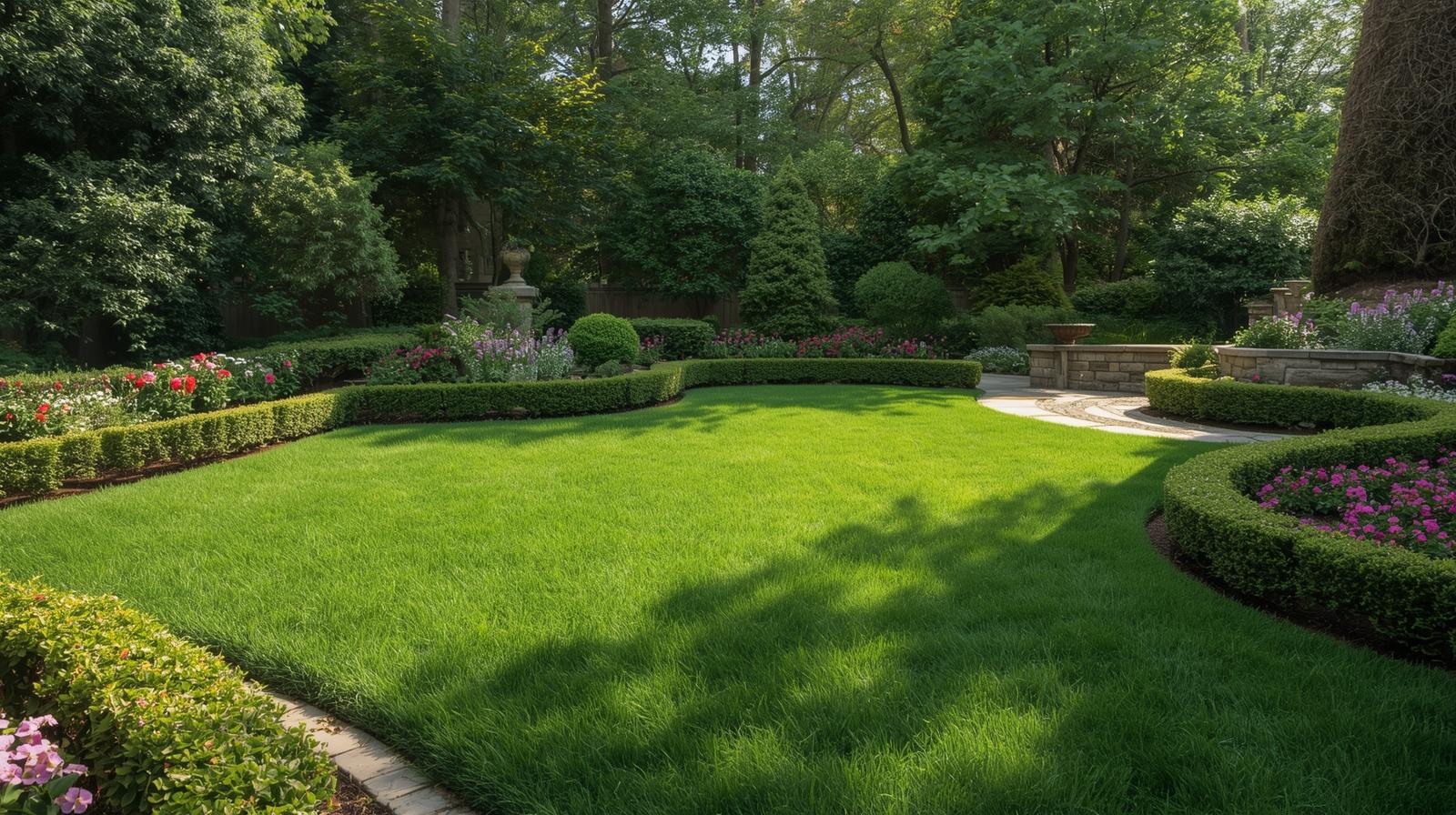
A thirsty yard can turn into a money pit fast, especially when July heat hits central Washington and the brown patches keep spreading anyway. Drought tolerant landscaping is a smarter way to build a yard that still looks full, polished, and inviting while using less water, less rescue care, and fewer last-minute fixes. In plain English, it means designing your landscape so plants, soil, irrigation, and hardscape all work together to handle dry conditions well, not pretending your yard will thrive on neglect.
What drought-tolerant landscaping actually means
A lot of people hear “drought tolerant landscaping” and picture gravel, cactus, and a yard that feels more harsh than welcoming. That is not the goal. The real idea is simple: keep the landscape attractive with lower water demand by choosing the right plants, improving the soil, and watering more intentionally.
That also means drought-tolerant does not mean no-water. Even tough plants need regular water while getting established, and almost every landscape looks better with a little planning and upkeep. Xeriscaping gets mixed into this conversation a lot, and the overlap is real, but drought-tolerant landscaping tends to feel more flexible. You can still keep some lawn, use flowering plants, and create a softer look.
Early on, it helps to know what this guide covers:
- how to plan your yard before buying plants
- where lawn still makes sense
- which design moves keep low-water yards attractive
- how soil and mulch reduce watering needs
- why irrigation layout matters as much as plant choice
- what maintenance keeps the whole thing looking sharp
Drought-tolerant vs. drought-resistant
The difference matters because plant tags can be a little too optimistic.
Drought-tolerant plants can handle dry stretches once roots are established. That makes them a good fit for landscapes that still get occasional irrigation but do not need constant watering. Drought-resistant plants are tougher. They are built for harder conditions and longer dry periods, often with smaller leaves, gray foliage, or deeper root systems.
For most yards, drought-tolerant is the more useful target. You want plants that look good in real-life conditions, not just survivors hanging on by a thread.
Why it works so well in central washington
Hot summers, low humidity, bright sun, and drying winds make this approach a natural fit in places like Yakima, Wenatchee, and the Tri-Cities. Some areas bake all afternoon, especially near driveways, sidewalks, and south-facing walls. If your current planting needs frequent watering just to look average, that is your clue.
The payoff is not just lower water use. You usually get less mowing, fewer struggling plants, and a yard that holds up better during heat waves. That is a win for homes and for commercial properties that need to stay presentable without constant babysitting.
Start with a yard plan, not a plant shopping trip
The best drought-tolerant landscapes rarely start at the nursery. They start with a layout.
Impulse plant buying is how yards end up looking random. One lavender here, one grass there, a shrub that blocks the walkway six months later. A better plan starts with how sun moves across the space, where people walk, where water already goes, and which parts of the yard struggle first.
Notice how your yard really behaves
Walk the property at different times of day and actually look at what is happening. The full-sun side yard that feels fine at 9 a.m. can turn into an oven by late afternoon. The bed next to the driveway may be getting reflected heat from both concrete and parked cars. A breezy corner can dry out twice as fast as a sheltered one.
Also notice slopes, puddling, and runoff. Water that rolls off quickly is not helping roots much. Shady spots matter too, because lower-water does not always mean full blazing sun. Some drought-tolerant plants do better with afternoon protection.
Decide what your yard needs to do
A good-looking landscape has a job to do. Maybe you want stronger curb appeal. Maybe you need privacy along a fence, a cleaner commercial frontage, space for pets, or a low-fuss area near the patio that still feels finished when guests show up.
Once you know the purpose of each zone, plant choices get easier. The yard stops feeling like a collection of separate decisions and starts feeling intentional.
Use the core design principles that keep a dry landscape beautiful
Low-water landscapes look best when the design is doing real work. Beauty does not come from stuffing every space with flowers. It comes from repetition, contrast, structure, and enough variety to keep your eye moving.
Group plants by water needs
This is called hydrozoning, which sounds technical but is actually common sense. Put plants with similar water needs together.
That way, shrubs that want deeper occasional watering are not mixed with plants that prefer lighter, more frequent moisture. Your irrigation becomes easier to set correctly, and your plants stop competing under the same schedule. One-size-fits-all watering is one of the fastest ways to waste water and stress plants at the same time.
Build around texture, shape, and color
A dry landscape gets its richness from more than blooms. Silver foliage catches light beautifully. Ornamental grasses add movement. Evergreen shrubs keep the yard grounded in winter. Mounded perennials, upright grasses, and broad-leafed accents create the kind of contrast that makes a planting bed feel finished instead of flat.
The trick is to repeat a few good forms instead of collecting one of everything. Think of it like decorating a room. A few materials used well look calmer than ten fighting for attention.
Add height and focal points
Without height, a drought-tolerant landscape can look skimpy. A small ornamental tree, a sculptural shrub, a boulder, a large planter, or one standout specimen plant can anchor a space and give the whole design more presence.
That focal point matters even more in wide open yards or commercial entries. It gives the eye somewhere to land.
Rethink the lawn without giving it up completely
You do not need to rip out every bit of turf to save water. But lawn should earn its spot.
Grass is often the thirstiest part of the landscape, especially when it covers areas nobody uses. Reducing lawn where it serves no purpose is usually the fastest way to cut water use without making the property feel bare.
Where lawn still makes sense
Lawn still works well where you actually use it: a small play area, a pet zone, a patch near the patio, or a cooling area that softens a hardscaped backyard. Those spaces can be worth keeping.
The problem is wall-to-wall turf in narrow strips, steep slopes, awkward corners, and hot edges near pavement. Those areas tend to need the most water while giving back the least.
What to use instead of wall-to-wall grass
The best substitutes depend on the space, but the usual winners are planting beds, mulch areas, gravel paths, hardy groundcovers, native plant zones, and expanded patio or seating space. Used together, these break up the property in a way that feels designed, not just reduced.
This is how you keep the yard from looking like a lawn with chunks missing.
How to convert an existing lawn in phases
Trying to change the entire yard at once can feel like too much. Start with the hardest section first: a parking strip, a side yard, a dry slope, or a patch that always burns out.
Then expand. Remove one strip of turf, create one planting bed, or widen one border at a time. Phased lawn conversion is easier on your budget and easier to get right.
Choose plants that can handle dry conditions and still look lush
Plant selection is where a lot of good plans go sideways. A pretty plant is not a good plant if it constantly needs rescue watering.
The best choices match your climate, soil, and sun exposure. Once that fit is right, you can build for color, shape, bloom time, and structure.
Native and regionally adapted plants
Plants suited to central Washington usually settle in faster and ask for less fuss. That does not mean every plant has to be native, but local and regionally adapted options often perform better because they are already comfortable with heat, bright sun, and leaner water schedules.
That matters most in exposed areas. If a plant naturally handles dry summers, you spend less time trying to keep it alive through them.
Trees, shrubs, and perennials that pull their weight
Strong drought-tolerant landscapes rely on backbone plants. Trees provide shade and vertical structure. Shrubs shape the space and offer privacy. Perennials and grasses fill in around them with seasonal interest.
This layered approach is what keeps the yard from looking like a rock field with a few lonely shrubs dropped into it. Even a simple plant palette can feel lush when it includes enough height, mass, and repetition.
Don’t Forget color
Yes, you can absolutely have color in a drought-tolerant landscape.
The smartest way to do it is by mixing bloom times and foliage tones. Purple salvia, yellow yarrow, blue fescue, deep green evergreens, and silver-leafed accents can carry a bed through multiple seasons. Flowers are great, but foliage color often does just as much work, especially in the heat of summer when some blooms slow down.
Improve the soil so plants need less help later
Poor soil makes every plant thirstier. If roots cannot move easily or hold moisture well, you end up watering more just to keep things going.
Good soil prep pays you back for years. It helps roots grow deeper, improves drainage where soil is compacted, and holds moisture longer where soil dries too fast.
Add compost and organic matter
Compost is one of the simplest upgrades you can make. In sandy or fast-draining soil, it helps hold moisture longer. In compacted ground, it helps loosen things up so water and roots can move through.
That means less runoff, better root growth, and more stable soil moisture between watering cycles. Not flashy, but it works.
Mulch is the quiet workhorse
Mulch does a surprising amount of heavy lifting. It keeps roots cooler, slows evaporation, helps suppress weeds, and gives planting beds a clean finished look.
Bark and wood chips work well in most shrub and perennial beds. Gravel can make sense in hot, sunny areas or around certain drought-tolerant plantings, but too much bare stone can build heat and feel stark. The best results usually come from using mulch as part of the design, not just dumping it everywhere.
Water smarter with irrigation that matches the landscape
A low-water landscape still needs the right irrigation. Otherwise you get the worst of both worlds: stressed plants and wasted water.
The goal is not complicated equipment. The goal is matching the watering method to the planting.
Drip irrigation, bubblers, and targeted watering
Drip irrigation delivers water slowly at the root zone through tubing and emitters. Bubblers send a low, controlled flow around the base of shrubs and small trees. Both are usually a better fit for planting beds than overhead spray, which can miss roots, wet sidewalks, and lose water to wind and evaporation.
Targeted watering is especially useful in mixed landscapes with lawn in one area and shrub beds in another.
Create watering zones
Lawn, shrubs, trees, and flower beds should not all be on the same schedule. They use water differently.
Separate zones let you water grass more often if needed while giving shrubs and trees deeper, less frequent soaking. This is where drought-tolerant landscapes start feeling much easier to manage, because the system finally fits the plants instead of fighting them.
Adjust for the season
Your irrigation schedule should shift through spring, summer, and fall. A sunny bed that looked fine in May can dry out much faster in July, especially during a week of triple-digit heat near the Tri-Cities.
Check soil, not just the clock. If the top looks dry but moisture sits a few inches down, you may be watering enough. If everything is drying shallow and fast, it is time to adjust run times or frequency.
Add hardscaping and non-plant features that carry the design
Plants do not have to do all the work. Hardscape gives a drought-tolerant yard structure, function, and a finished look even when bloom cycles change.
Use gravel, stone, and mulch with intention
These materials work best when they define spaces. Gravel can shape a path or frame a bed. Stone can anchor an entry. Mulch can soften planting areas and tie sections together.
Used without a plan, though, they can make the yard feel hot and empty. The catch is balance. Hard materials should support the planting, not replace it.
Patios, paths, and borders
Patios and walkways cut down thirsty square footage while making the yard easier to use. Borders and edging keep lines clean and make even simple plantings look sharper.
For commercial properties, this matters a lot. A clear path, clean border, and tidy planting bed can make the entire frontage look more cared for with less irrigation.
Feature pieces that add interest
A bench, raised planter, dry creek bed, or one well-placed container can give the landscape personality. Same with a sculptural boulder or a simple decorative accent near an entry.
Restraint matters here. One or two feature pieces usually look better than a yard full of ideas competing for attention.
Keep it healthy with low-water maintenance habits
Drought-tolerant does not mean set it and forget it. But the maintenance is simpler when the landscape is built well.
A few habits keep things attractive and prevent small issues from turning into expensive repairs.
Weed control without letting beds get away from you
Weeds steal water fast. Keep mulch at a useful depth, stay ahead of germination, and deal with small weeds before roots get established. In some landscapes, a timed pre-emergent treatment makes sense, especially in beds that have a history of seasonal weed pressure.
Quick touch-ups matter more than marathon cleanup days. Ten minutes now beats a full weekend later.
Pruning, feeding, and plant health
Light pruning keeps shrubs shaped and removes dead or damaged growth before it drags down the look of the whole bed. Fertilization should support healthy roots and steady growth, not push soft, thirsty top growth that struggles in summer heat.
Plant health care matters here too. If a tree or shrub starts showing stress, catching the issue early is much easier than replacing it later.
Check irrigation before There’s a problem
A clogged emitter, broken spray head, or leaking valve can waste water for weeks before it gets noticed. So can spray hitting pavement instead of planting beds.
Regular irrigation checks are one of the fastest ways to protect both appearance and efficiency. If one section suddenly looks stressed, check the system before blaming the plant.
Common mistakes that make drought-tolerant landscapes look tired
Most disappointing low-water landscapes fail for a few predictable reasons. The original idea is usually fine. The execution is what slips.
Overplanting rocks, underplanting greenery
Too much bare gravel can feel harsh, bright, and hotter than necessary. It also makes the yard look unfinished.
Layered greenery softens the space. Even in a dry landscape, plants should still feel like the main character.
Choosing plants for looks alone
That gorgeous nursery photo does not tell you how the plant handles reflected heat, poor soil, or afternoon sun. If the plant wants richer soil, more water, or more shade than the site offers, the relationship usually ends badly.
Looks matter. Fit matters more.
Treating every area the same
One mulch choice, one irrigation schedule, and one plant palette across the whole property sounds simple. It usually backfires.
A shady side yard and a sunny parking strip are not the same environment. When you treat them like they are, one area gets too much while another gets too little.
Simple drought-tolerant landscaping ideas you can try first
You do not need a total overhaul to get started. One smart improvement in the right spot can change how the whole property feels.
Upgrade one trouble spot
Start with the area that frustrates you most. A dry strip by the sidewalk, a sunny slope, a bare bed near the driveway, or a side yard that always looks tired is a good candidate.
Fixing the hardest spot first gives you the fastest proof that this approach works.
Swap high-maintenance plants for better performers
If a plant always looks stressed, always needs extra water, or always seems one hot week away from collapse, replace it. Start with the thirstiest and fussiest plants first.
That one swap often improves the whole bed more than adding three new things around it.
Pair planting changes with irrigation improvements
The biggest payoff usually comes from doing both at once. Better plants in a poorly watered bed still struggle. Better irrigation on a planting that never fit the site still wastes effort.
Try one zone, one bed, or one strip near pavement first. Once you see how much cleaner, calmer, and easier a drought-tolerant landscape can feel, the next phase gets a lot easier to picture.
- Disclaimer: This article is for general informational purposes only. It is not professional advice, a quote, or a service agreement. Conditions at your home or property may differ; contact a qualified professional for an on-site evaluation before making repair, safety, or spending decisions.