
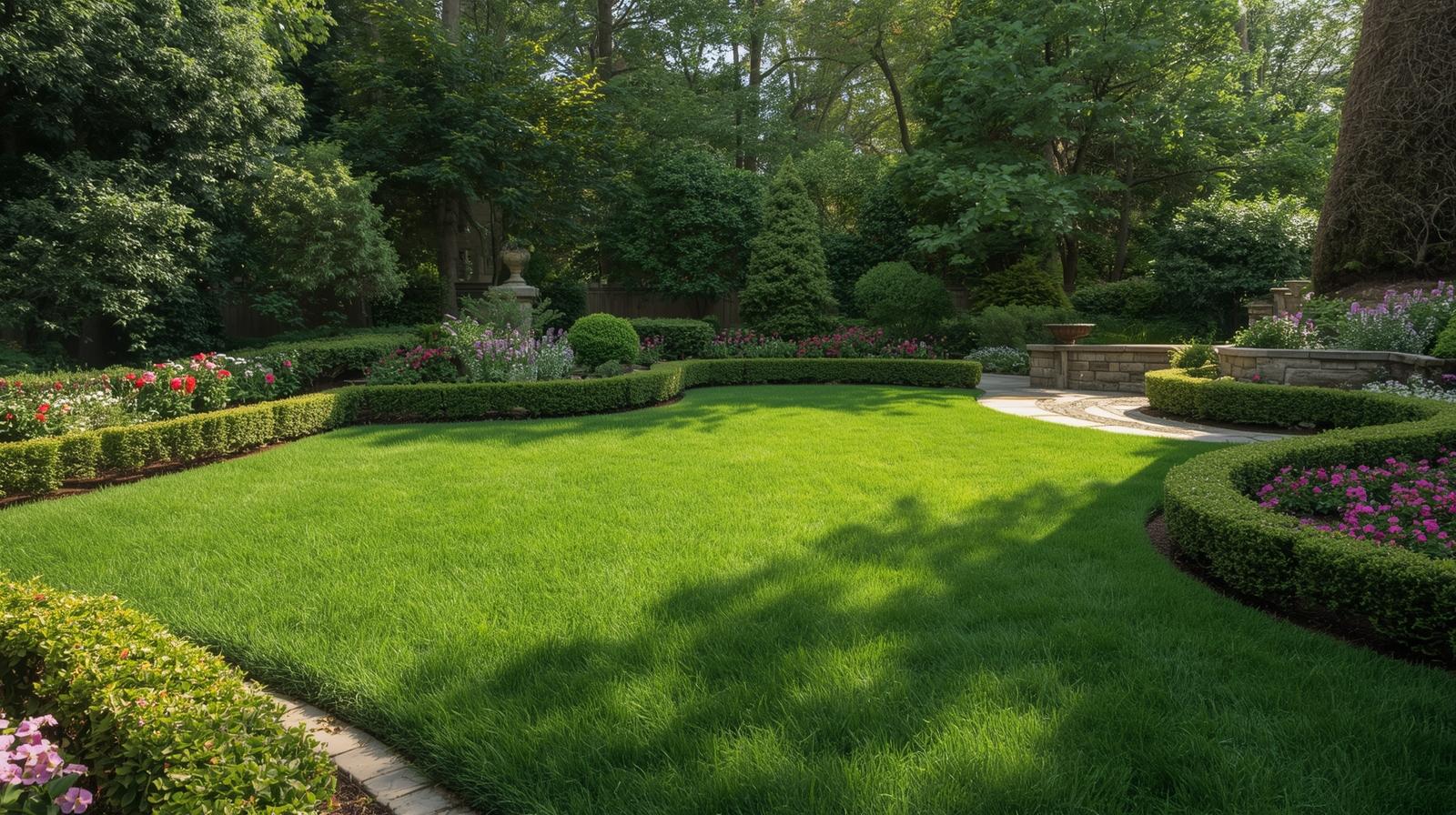
Drought-Tolerant Landscaping for Central Washington
With our semi-arid climate, choosing drought-tolerant plants can save water and maintenance while creating beautiful landscapes. Central Washington receives minimal annual rainfall, and water conservation is increasingly important for both environmental and economic reasons. Drought-tolerant landscaping, also known as xeriscaping, provides an attractive solution that reduces water use while maintaining beautiful outdoor spaces.
At Vita Green, we have been helping homeowners throughout Wenatchee and central Washington create water-efficient landscapes for over thirty years. Our experience with local conditions helps us recommend plants and design approaches that thrive in our climate while reducing water requirements.
Understanding Central Washington Climate
Central Washington’s climate presents unique challenges for landscaping. Our region receives approximately eight inches of annual rainfall, far less than many other areas. Summers are hot and dry, with temperatures frequently exceeding ninety degrees Fahrenheit. Winters bring cold temperatures and occasional snow, but precipitation remains limited throughout the year.
The combination of low rainfall, hot summers, and cold winters requires plants that can handle both drought and temperature extremes. Not all drought-tolerant plants are suitable for our climate, as they must also survive cold winters. Understanding these requirements helps in selecting appropriate plants for drought-tolerant landscaping.
Soil conditions in central Washington also affect plant selection. Our alkaline soils and clay-based composition require plants that can tolerate these conditions. Proper soil preparation and amendment can expand plant options, but selecting plants naturally suited to our soils reduces maintenance requirements.
Benefits of Drought-Tolerant Landscaping
Drought-tolerant landscaping provides numerous benefits beyond water conservation. Reduced water use translates to lower water bills, which can be significant during hot summer months when irrigation needs are highest. Many homeowners see substantial savings on water costs after converting to drought-tolerant landscaping.
Reduced maintenance is another significant benefit. Drought-tolerant plants typically require less frequent watering, less fertilization, and less overall care than traditional landscape plants. This reduced maintenance saves time and money while still providing attractive landscapes.
Drought-tolerant landscaping also increases landscape resilience. During periods of water restrictions or drought, drought-tolerant landscapes continue to thrive while traditional landscapes may struggle. This resilience provides peace of mind and helps maintain property value even during challenging conditions.
Selecting Appropriate Plants
Choosing the right plants is crucial for successful drought-tolerant landscaping in central Washington. Native plants are often excellent choices because they have evolved to thrive in local conditions. Many native plants require minimal water once established and provide food and habitat for local wildlife.
Perennial plants that are well-suited to our climate include various sage species, yarrow, penstemon, and native grasses. These plants provide color and texture while requiring minimal water. Many also provide seasonal interest through flowers, seed heads, or fall color.
Shrubs that work well in drought-tolerant landscapes include rabbitbrush, serviceberry, and various native rose species. These shrubs provide structure and year-round interest while requiring minimal water. Many also provide berries or flowers that attract wildlife.
Trees for drought-tolerant landscapes should be selected carefully, as they require more water during establishment but can become quite drought-tolerant once mature. Native trees like ponderosa pine and various oak species can work well, though they require careful placement and initial establishment support.
Design Principles for Water Efficiency
Effective drought-tolerant landscaping involves more than just plant selection. Design principles that group plants by water needs, use mulch effectively, and minimize lawn areas all contribute to water efficiency. These design approaches create attractive landscapes while reducing overall water requirements.
Grouping plants by water needs, called hydrozoning, ensures that plants requiring similar amounts of water are placed together. This allows for efficient irrigation that provides appropriate water to each area without wasting water on plants that do not need it. Hydrozoning is a fundamental principle of effective drought-tolerant landscaping.
Mulch is essential for drought-tolerant landscapes. Mulch reduces water evaporation from soil, suppresses weeds, and moderates soil temperature. Organic mulches like bark chips also improve soil structure over time as they decompose. Proper mulch application significantly reduces water needs while improving plant health.
Reducing lawn areas is another effective strategy for water-efficient landscaping. Lawns require significant water to maintain green appearance during hot summers. Replacing some lawn areas with drought-tolerant plantings, patios, or other hardscape features reduces overall water use while maintaining attractive outdoor spaces.
Irrigation Considerations
Even drought-tolerant landscapes benefit from some irrigation, especially during establishment and periods of extreme heat. Efficient irrigation systems that deliver water directly to plant roots minimize waste and support drought-tolerant plantings effectively.
Drip irrigation systems are ideal for drought-tolerant landscapes because they deliver water slowly and directly to plant roots. This method reduces water loss from evaporation and ensures water reaches where it is needed most. Drip systems can be designed to provide different amounts of water to different zones based on plant needs.
Smart irrigation controllers that adjust watering based on weather conditions can further improve water efficiency. These controllers reduce watering during cool or rainy periods and increase it during hot, dry periods. This automatic adjustment ensures plants receive appropriate water while minimizing waste.
Establishment and Maintenance
Drought-tolerant plants still require regular watering during establishment, which typically takes one to two growing seasons. During this establishment period, plants develop deep root systems that allow them to access water from deeper in the soil. Once established, these plants require much less water.
Proper establishment watering is crucial for long-term success. Plants should be watered deeply but infrequently to encourage deep root growth. Shallow, frequent watering promotes shallow roots that are less drought-tolerant. Following establishment watering guidelines helps ensure plants develop properly.
After establishment, drought-tolerant landscapes require minimal maintenance compared to traditional landscapes. Occasional deep watering during extreme drought, periodic mulching, and seasonal cleanup are typically all that is needed. This reduced maintenance is one of the significant benefits of drought-tolerant landscaping.
Combining Drought-Tolerant and Traditional Elements
Drought-tolerant landscaping does not mean eliminating all traditional landscape elements. Many homeowners successfully combine drought-tolerant plantings with small areas of lawn or traditional plants. This approach provides the benefits of water efficiency while maintaining some traditional landscape features.
Strategic placement of water-intensive elements allows for efficient water use. Small lawn areas placed where they provide the most benefit, such as play areas or high-visibility locations, can be maintained while surrounding areas use drought-tolerant plantings. This combination approach provides flexibility while reducing overall water use.
The key is thoughtful design that places water-intensive elements where they provide the most value and uses drought-tolerant approaches elsewhere. This balanced approach creates attractive landscapes that meet homeowner needs while reducing water requirements.
Professional Design and Installation
Professional landscape design and installation services can help create effective drought-tolerant landscapes. Professional designers understand plant requirements, design principles, and local conditions. This expertise helps ensure successful drought-tolerant landscapes that meet homeowner goals.
At Vita Green, we work with local designers and can install drought-tolerant landscapes that are both beautiful and water-efficient. Our experience with central Washington conditions helps us recommend appropriate plants and design approaches. We understand which plants thrive in our climate and how to combine them effectively.
Professional installation ensures proper soil preparation, plant placement, and irrigation system design. These factors are crucial for long-term success of drought-tolerant landscapes. Proper installation establishes plants for success and reduces future maintenance requirements.
Long-Term Benefits
Drought-tolerant landscaping provides long-term benefits that extend beyond initial water savings. As water costs continue to rise, the savings from reduced water use become increasingly significant. These long-term savings help offset initial installation costs.
Drought-tolerant landscapes also tend to require less maintenance over time. As plants mature and establish, they require less care than traditional landscapes. This reduced maintenance saves both time and money while maintaining attractive outdoor spaces.
The environmental benefits of reduced water use are also significant. Water conservation helps preserve this valuable resource and reduces the environmental impact of landscape maintenance. For many homeowners, these environmental benefits are an important consideration in choosing drought-tolerant landscaping.
Conclusion
Drought-tolerant landscaping offers an attractive solution for central Washington’s water challenges. By selecting appropriate plants, following water-efficient design principles, and providing proper establishment care, homeowners can create beautiful landscapes that require minimal water and maintenance. For homeowners in Wenatchee, East Wenatchee, Chelan, Leavenworth, and throughout central Washington, drought-tolerant landscaping provides both practical and aesthetic benefits.
If you are interested in creating a drought-tolerant landscape or would like to learn more about water-efficient landscaping options, contact Vita Green. We can help you design and install landscapes that are both beautiful and water-efficient, tailored to your property and preferences. Our experience with central Washington conditions ensures successful results that provide long-term benefits.