Heat Stress on Shrubs Beside Walkways and Patios
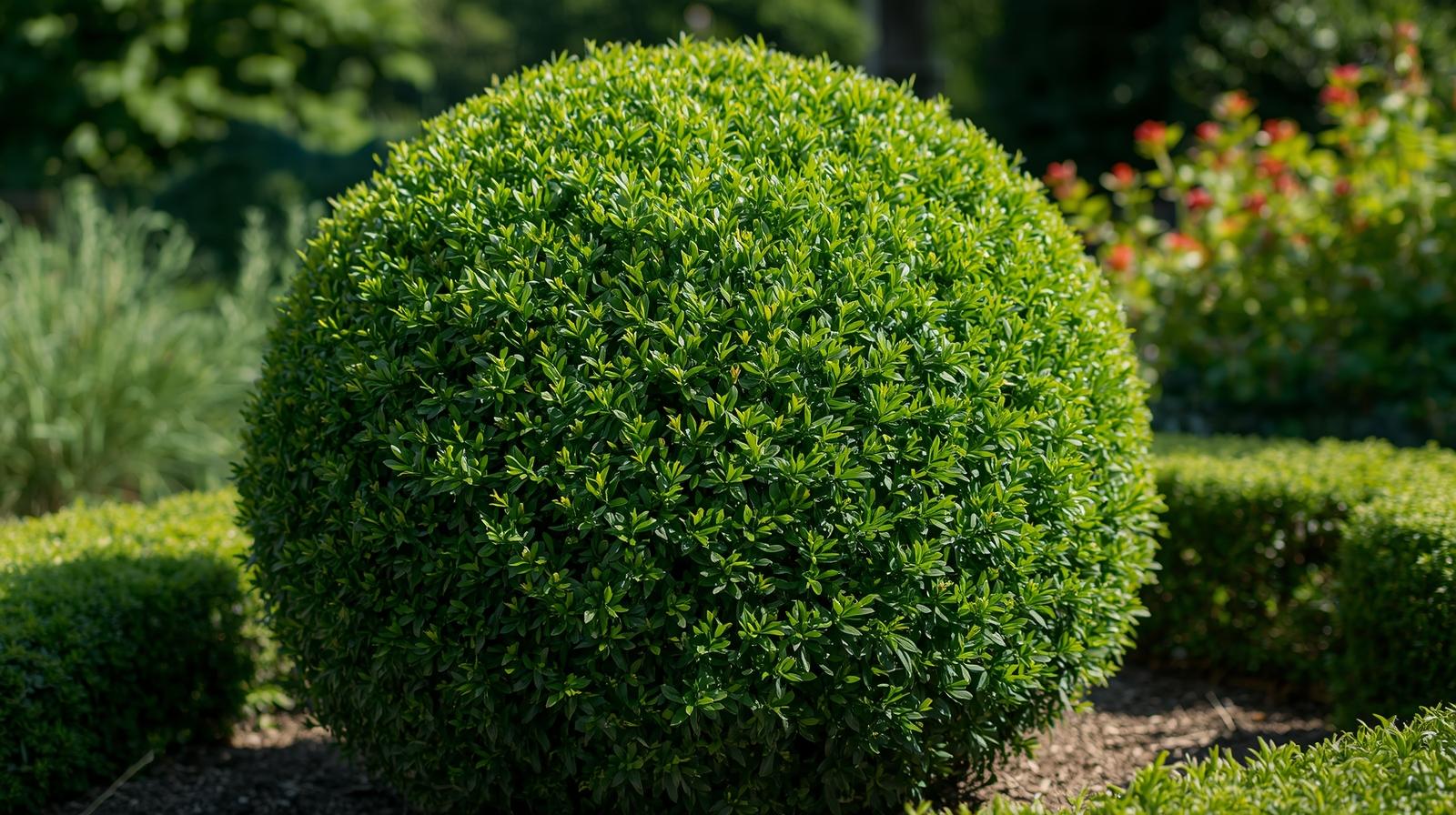
Bluestone walks, concrete patios, and paver paths beside your landscape do more than define traffic flow—they store afternoon heat and radiate it into the first few feet of soil and foliage long after direct sun moves off the surface. From the street, center lawn may still look fine while a boxwood hedge, dwarf spruce, or ornamental grass beside the walk shows scorched tips by evening.
Foot traffic from guest season adds compaction on the same band. The result is stressed shrubs that look like they need more water when the real problem is often heat, reflected light, and root zone temperature. Vita Green’s plant health care team sees this pattern often on Wenatchee, East Wenatchee, and Chelan properties where hardscape and planting beds share a narrow edge.
Why plants beside hardscape fail first
Stone and concrete absorb and release heat on central Washington summer afternoons. Plants within one to three feet of walks and patios experience:
- Higher root-zone temperatures than plants in open beds
- Reflected light that increases leaf surface temperature
- Drier air above warm pavement
- More foot traffic during gatherings, which compacts soil and damages roots
Species chosen for a shaded bed may be wrong for a hot apron beside the driveway. Even the right plant in the wrong microclimate will struggle.
Signs of heat stress versus drought
Heat stress and underwatering can look similar. A few clues help you tell them apart:
| Symptom | Often heat-related | Often water-related |
|---|---|---|
| Scorched leaf margins on sunny side only | Yes | Sometimes |
| Wilting that recovers overnight | Sometimes | Often |
| Dry soil at the drip line | Can be either | Yes |
| Damage on pavement-facing side only | Yes | Rare |
Probe soil two inches down at the shrub’s drip line before you increase watering globally. Flooding heat-stressed roots in already-wet soil can cause root rot—especially on clay loam common in the valley.
Species and placement matter
Low hedges, dwarf conifers, and sun-tolerant ornamental grasses generally handle reflected heat better than shade-loving rhododendrons or hydrangeas planted where a walk creates an oven effect. If you are planning new beds beside hardscape, our landscaping planting team selects material for microclimate—not just appearance.
Existing plants can often be helped with mulch, adjusted irrigation, and selective pruning for airflow without a full redesign.
Mulch and clearance beside hot edges
Two to three inches of quality mulch moderates soil temperature and reduces evaporation. Keep mulch pulled back several inches from trunks and stems to prevent rot and pest harboring.
Our mulch and bark guide explains depth habits that protect roots through guest season. Refresh thin or washed-out bands beside walks before summer peaks.
Watering shrubs beside hardscape correctly
Spray heads sized for open lawn often throw over shrub crowns or wet pavement more than roots beside a walk. Drip or bubbler zones targeted at the drip line work better for woody plants in hot margins.
If turf and shrubs share a zone, the shrubs beside pavement usually need more frequent attention—not necessarily more minutes on the whole zone. Read our spring irrigation start-up guide for zone-walk habits, and schedule irrigation repair when coverage misses the same edge every season.
Pests on stressed shrubs
Heat- and drought-stressed plants attract aphids, spider mites, and scale more readily than vigorous ones. Stippled leaves, fine webbing, and sticky residue on leaves or pavement below are worth noting before you blame heat alone.
Our insect control and fertilization program includes monitoring through the season so infestations on foundation plantings do not spread to the rest of the landscape.
Pruning and plant health treatments
Light pruning to remove dead or scorched tips can improve appearance, but heavy shearing during peak heat adds stress. Timing and species matter—see when to prune trees and shrubs in central Washington.
Plant health treatments such as targeted fertilization and disease management support recovery once watering and mulch are aligned. Fertilizer alone on a heat-stressed root zone rarely fixes the underlying microclimate problem.
Return week after travel
If you were away during a hot stretch, compare shrubs beside walks to how they looked at departure. Sitters who watered lawn zones may have missed foundation plantings on separate timers. Note one-sided scorch, new pest activity, or mulch washed onto roots.
Contact Vita Green with photos of affected plants, exposure notes, and irrigation layout. We can recommend plant health care, irrigation adjustments, or pruning in the right order.
Long-term solutions beside bluestone and pavers
Short-term fixes—extra water, mulch refresh, pest treatment—buy time. Long-term success may require:
- Splitting irrigation zones for hot edges
- Replacing mismatched species with heat-tolerant selections
- Widening beds so roots sit farther from pavement
- Raising canopy clearance for airflow
Vita Green has maintained central Washington landscapes for nearly four decades. Whether you need a single diagnostic visit or an ongoing plant health care program, we help homeowners protect shrubs and ornamentals beside hardscape—not just the lawn in front of them.